







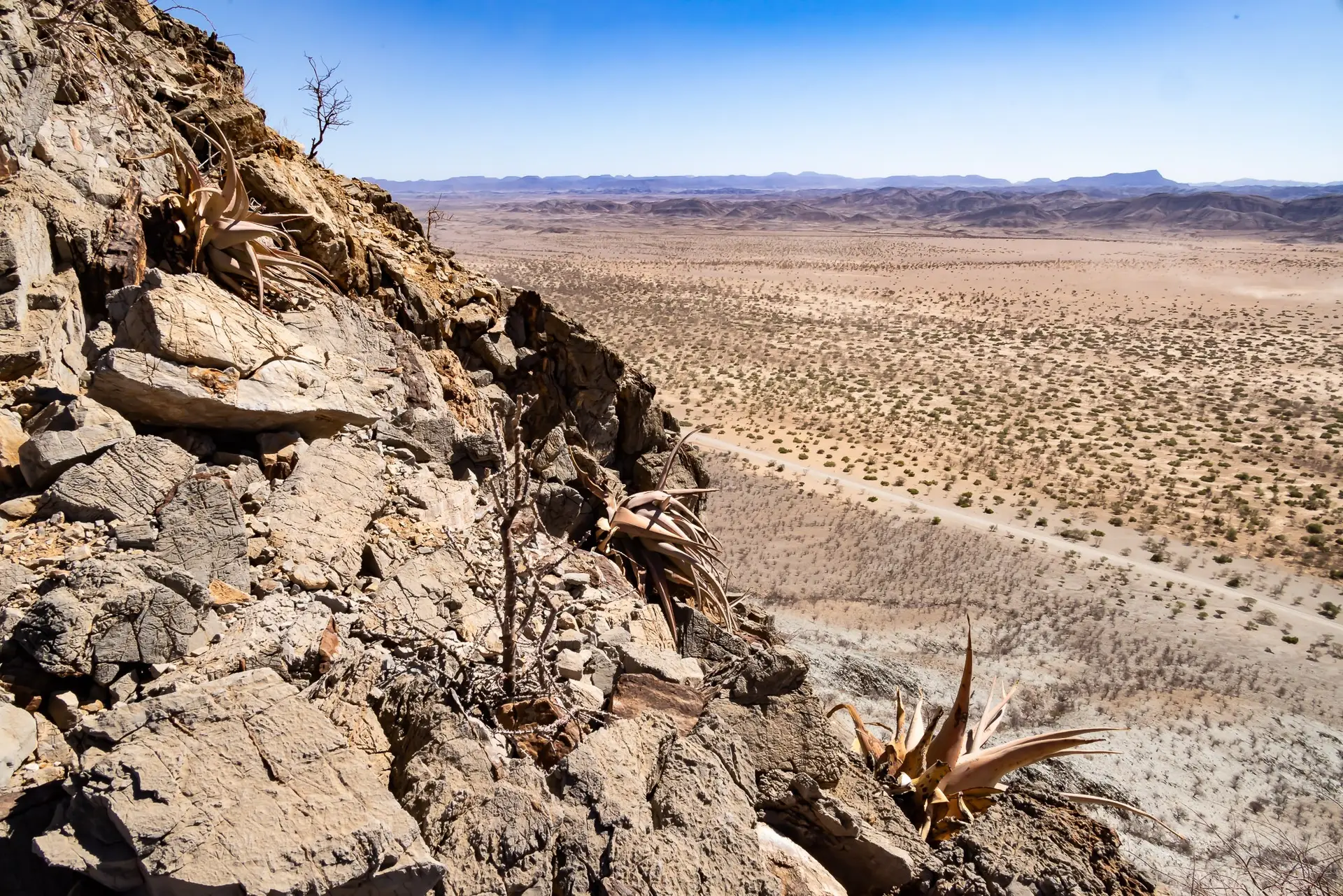

Kaoko-Damara, a guided Safari
Kaoko-Damara, a guided Safari in Namibia, exploring the untamed beauty of Kaokoland and Damaraland, venturing into the Erongo region, and discovering game-rich protected areas.

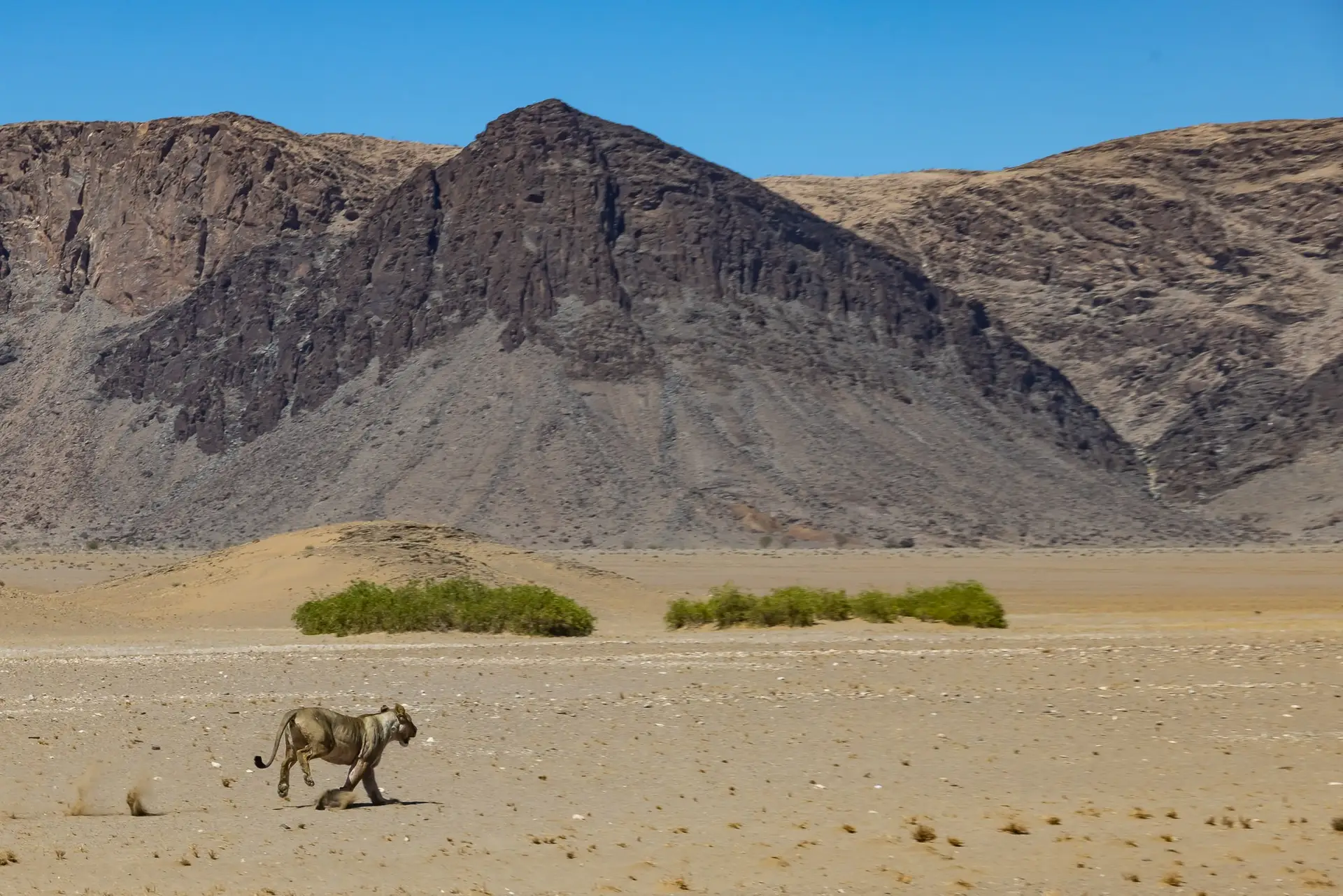
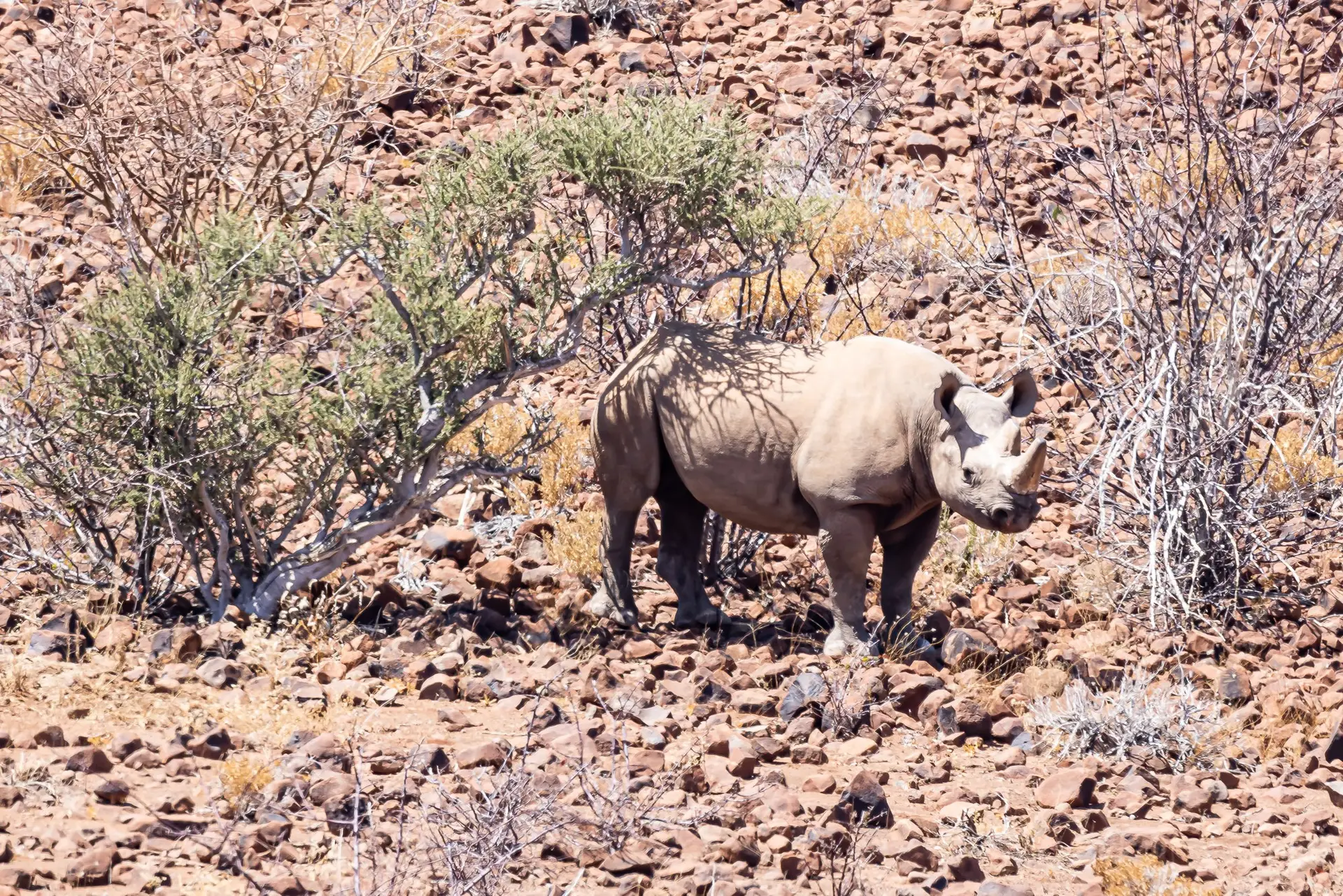
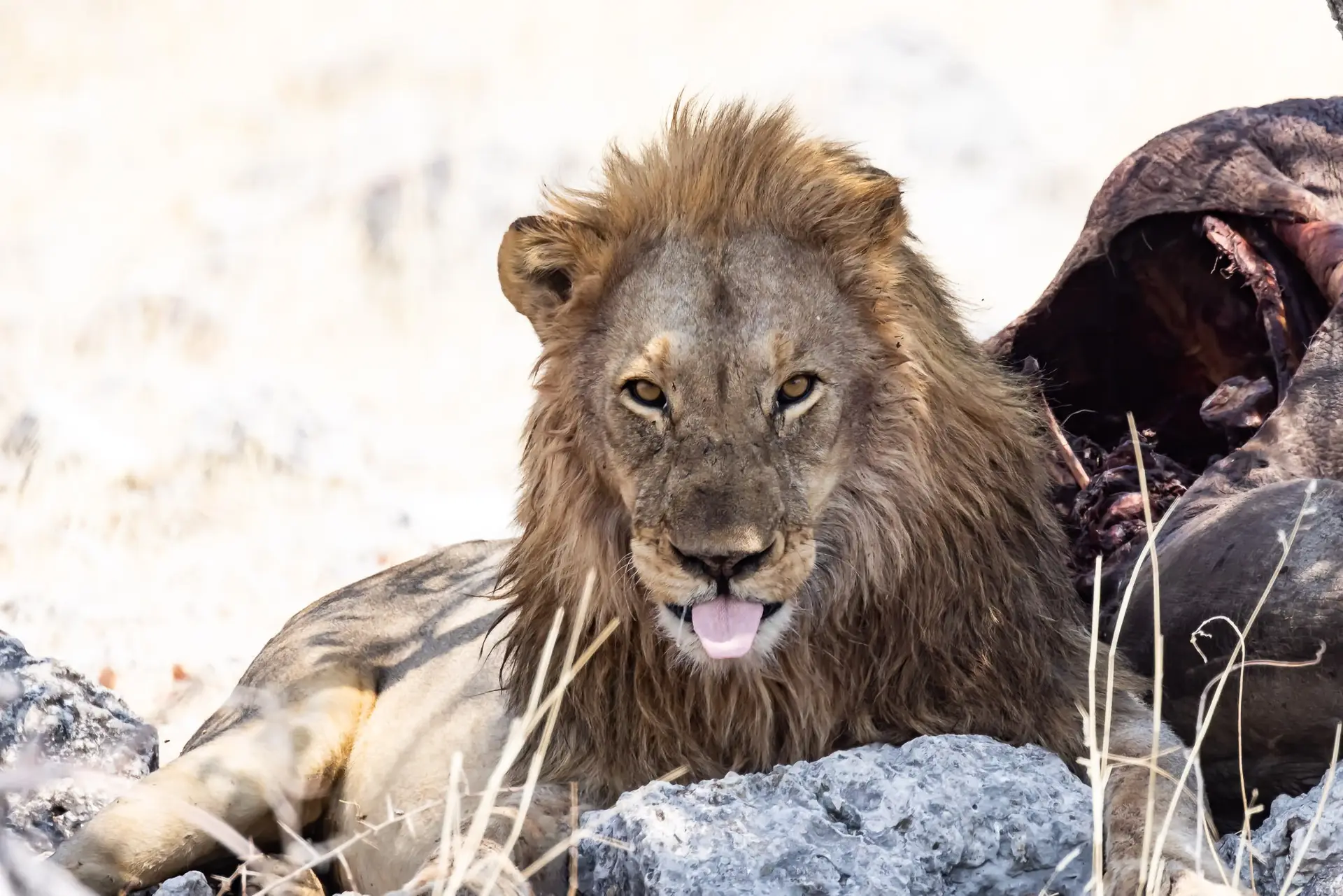
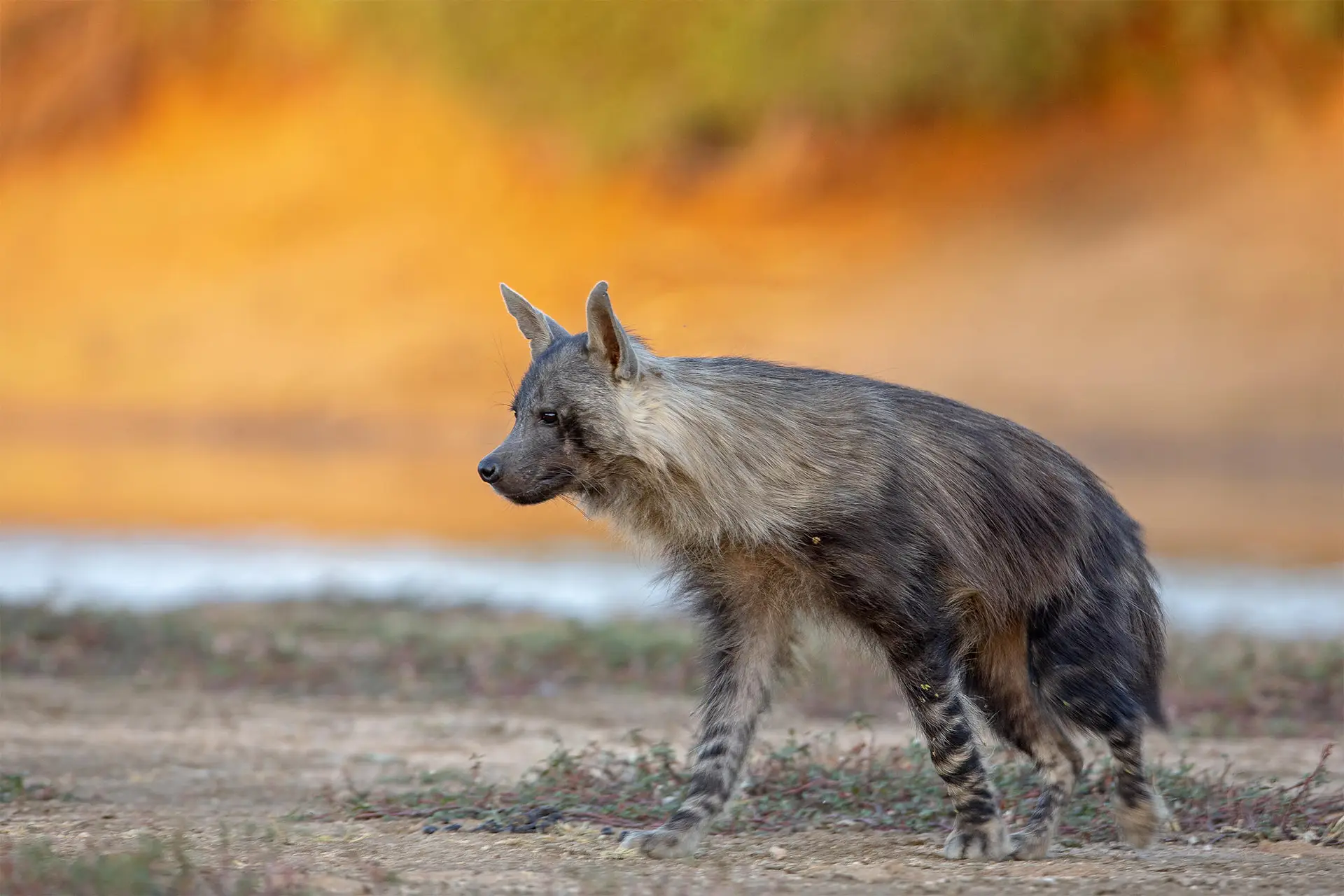
Good chances of lion, rhino and leopard right at the start — and at AfriCat, with luck, the shy brown hyena.
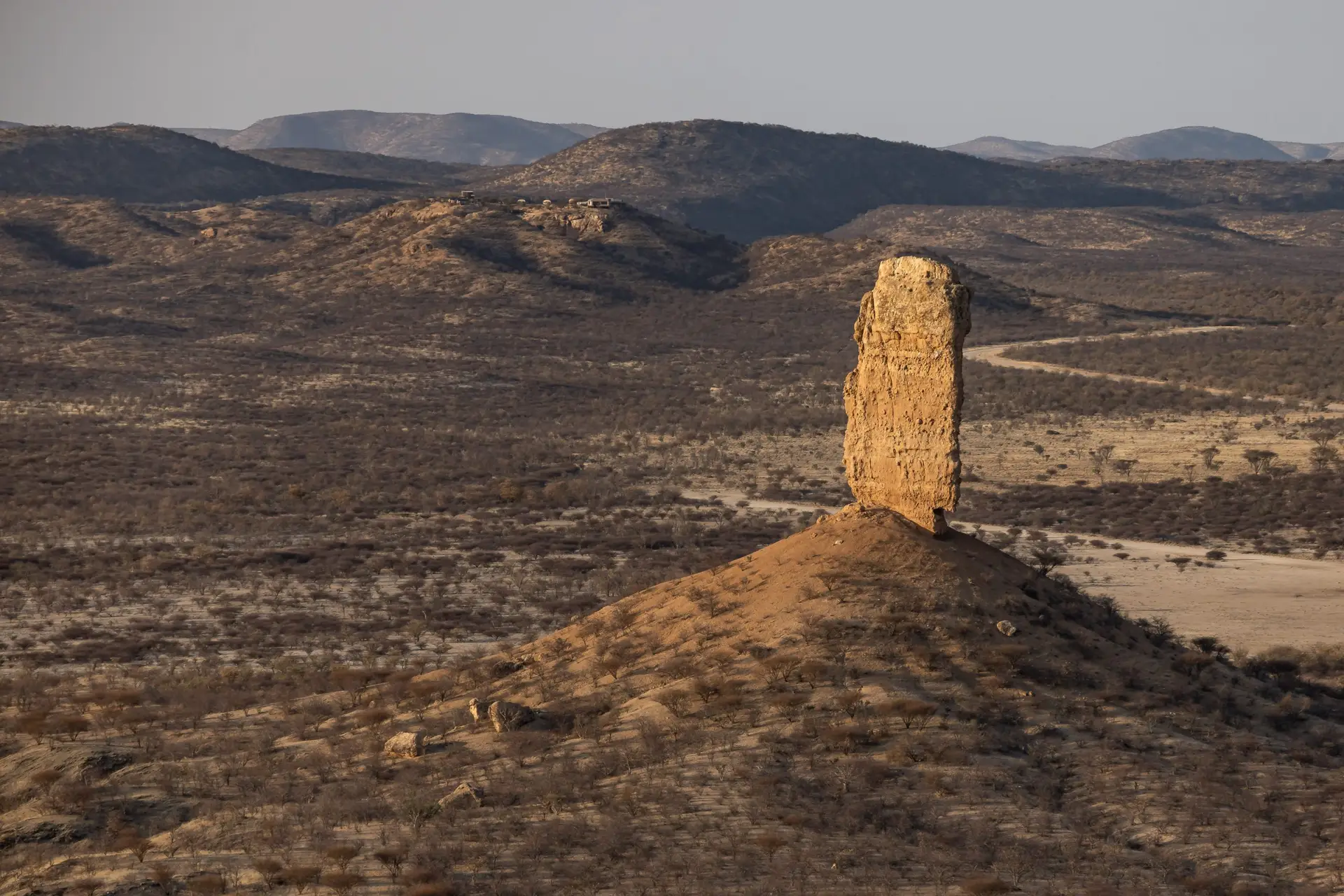
A rock finger above eroded pillars and wide valleys — Namibia’s answer to Monument Valley.
Salt pans and busy waterholes – elephant, lion and rhino often stand within sight.
Chances of desert-adapted elephant and lion – Pearl-spotted Owlet and Little Sparrowhawk often in the camp garden.
Waterfalls in a palm-lined gorge, in one of the remotest corners of Namibia.
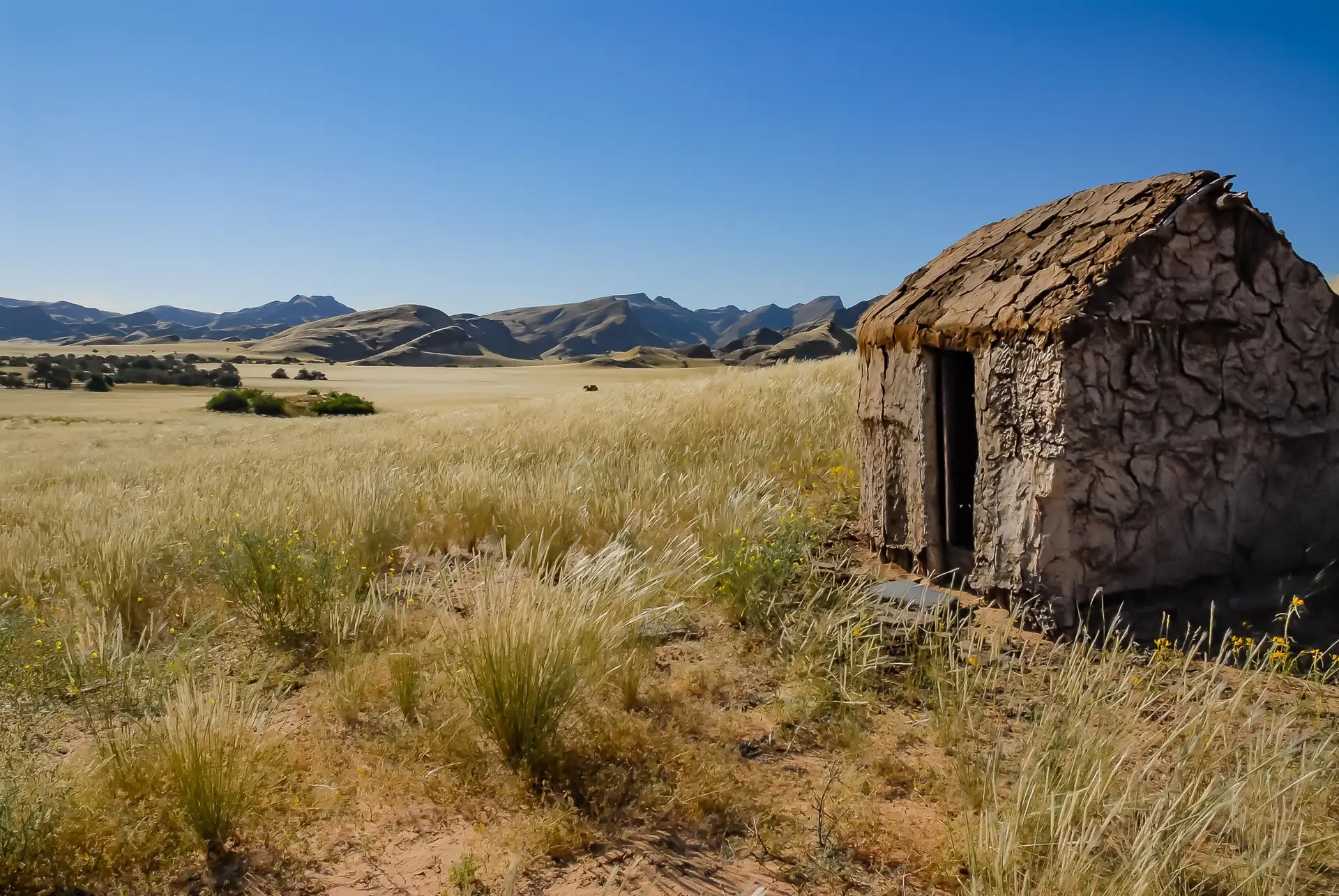
The cultural heart of Kaokoland, without tour groups in front of it.
Basalt table mountains whose waterholes may draw the endemic Hartmann’s Mountain Zebra.
Rock engravings 4,000 to 6,000 years old, plus the Burnt Mountain and the Organ Pipes.
San rock art among piled boulders, as a closing chapter.
The northwest is the part of Namibia the coaches leave out.
Wildlife sightings can never be guaranteed – but we know the places and times that offer the best chances.
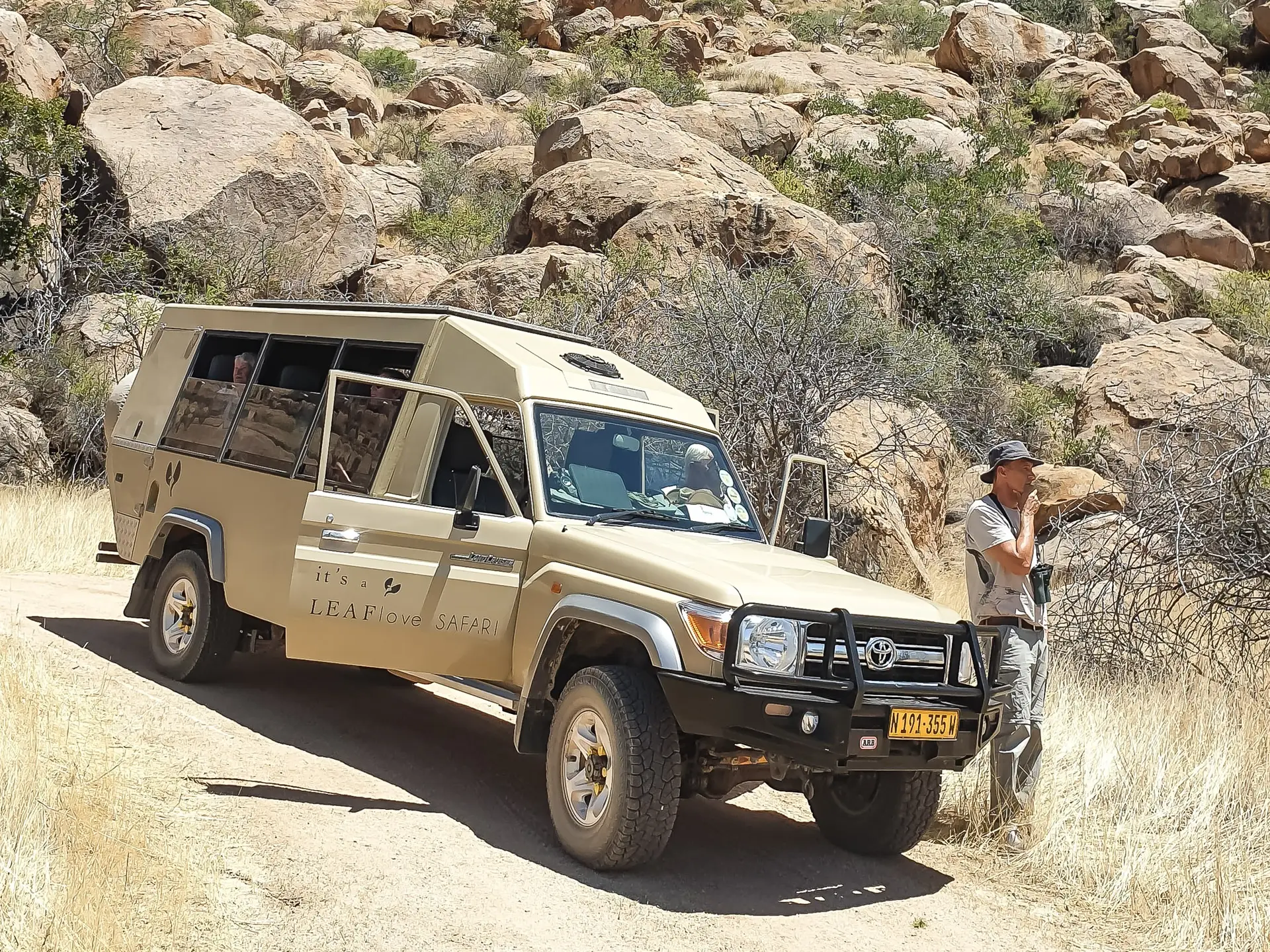
On the road: At most seven guests travel in a Toyota Land Cruiser built for gravel and sand — a window seat and a single seat for everyone. Nobody sits in the second row, and nobody is in your frame.

The wild northwest — Erongo, western Etosha, Kaokoland and Damaraland. This corner of Namibia is untouched by mass tourism and so varied that the view changes completely every second day.
The journey opens with intensive wildlife viewing at Mount Etjo or at the AfriCat Foundation on Okonjima — lion, rhino, leopard. Past the Ugab Terraces and the Vingerklip, a rock pillar rising out of open plains, the route heads into the game-rich western reaches of Etosha.
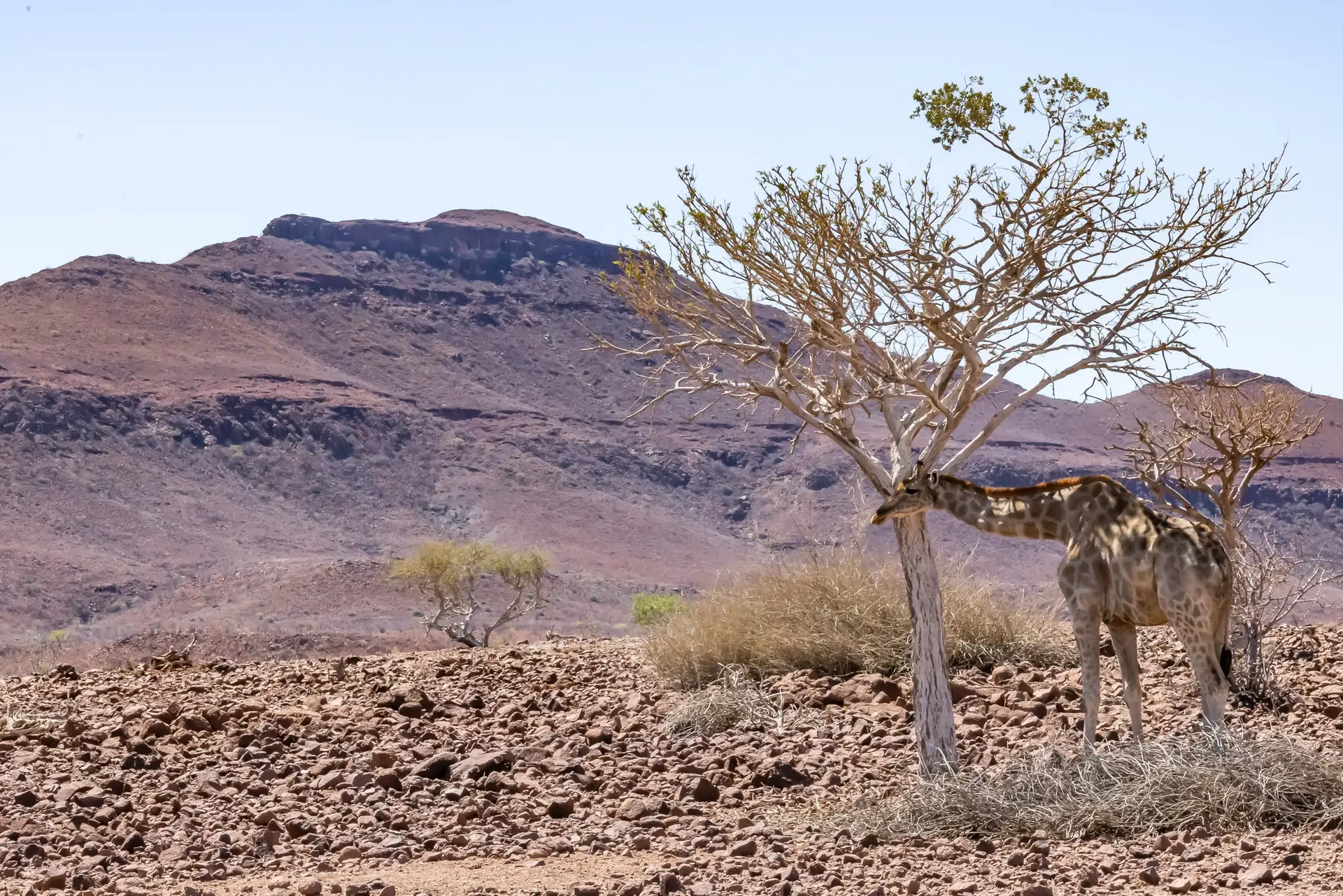
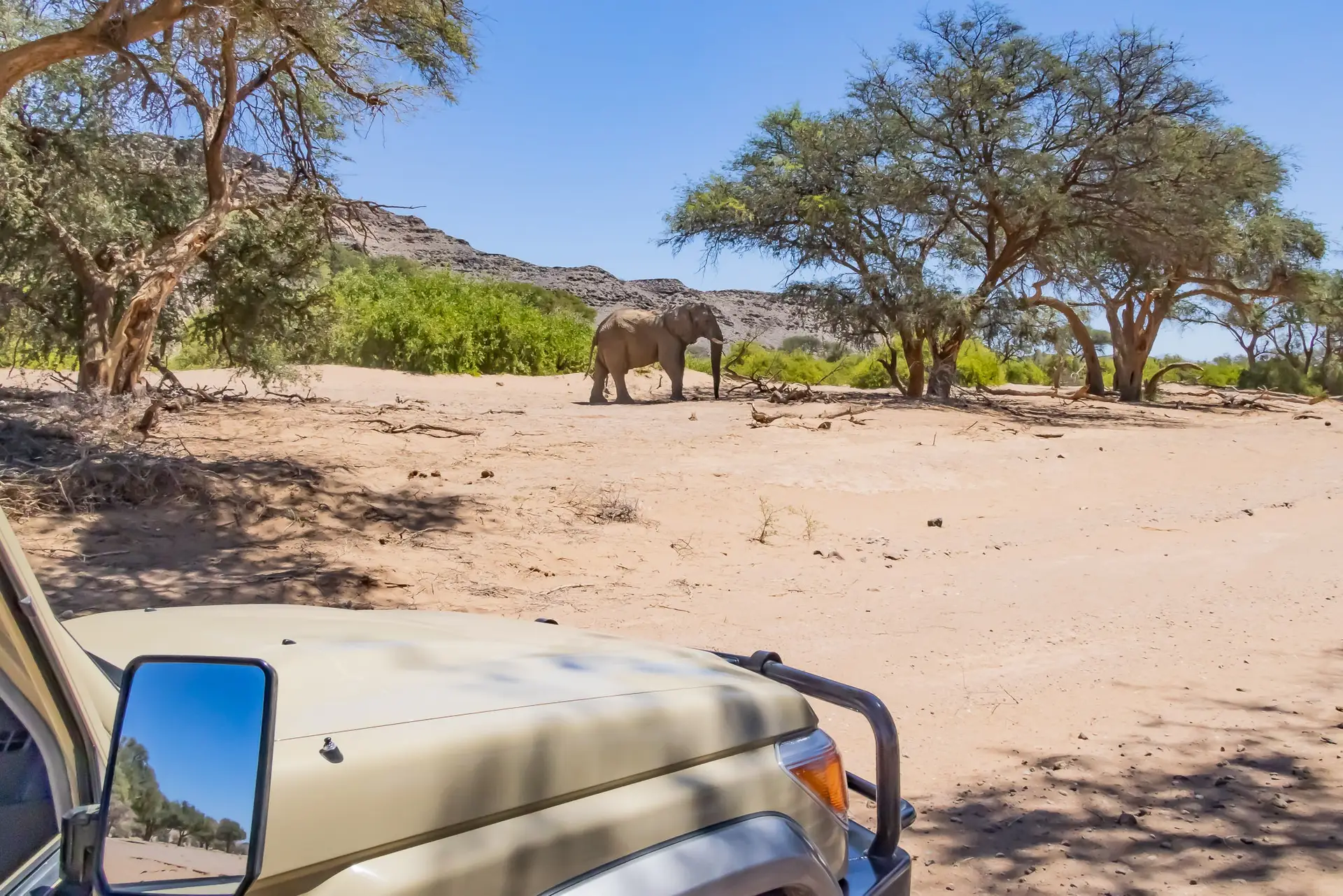
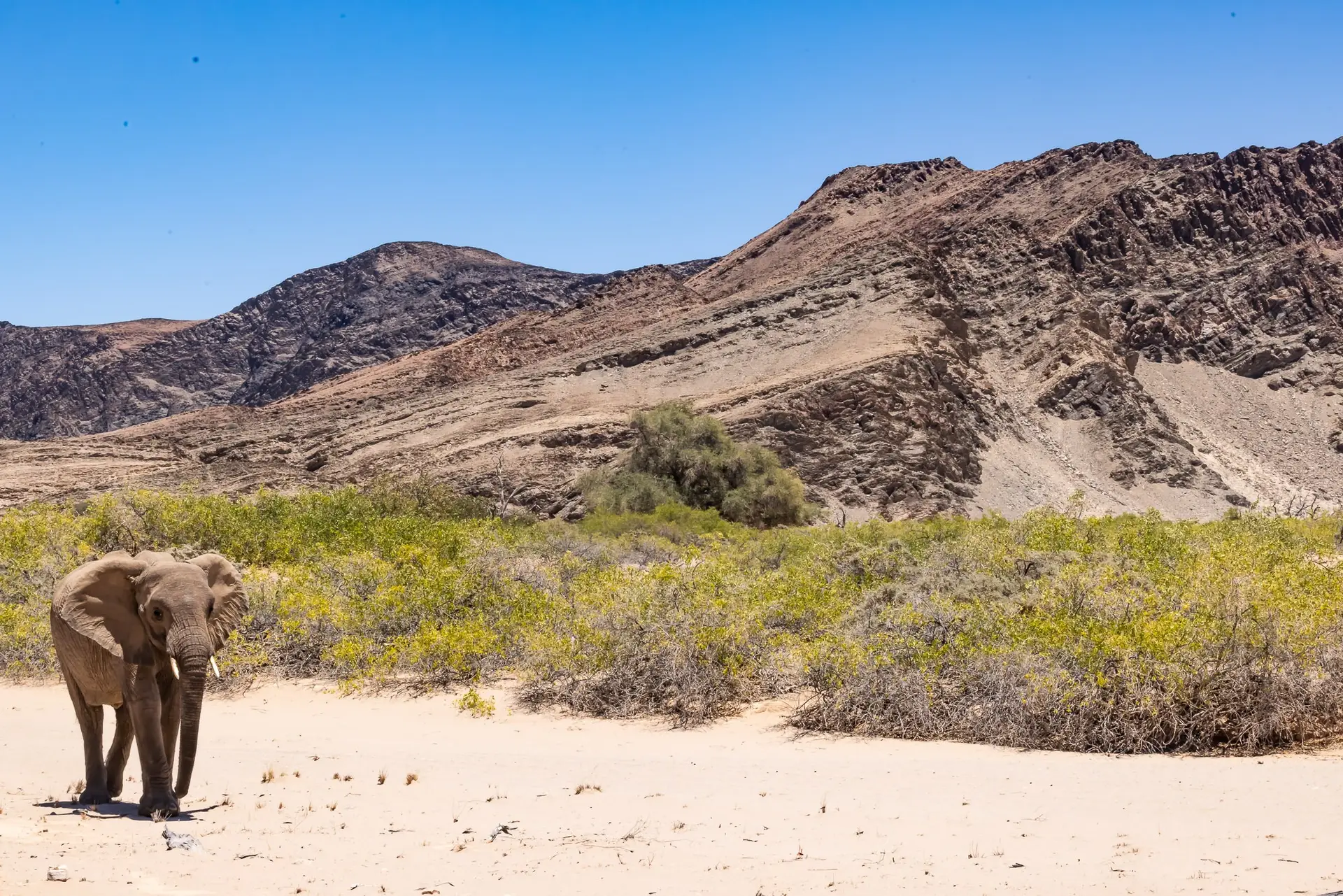
Then it goes deep into Kaokoland: via Opuwo, the cultural heart of the OvaHimba, to the Epupa Falls on the Kunene. On through Palmwag and the Grootberg, across the reddish basalt of the sub-volcanic Etendeka Formation, where desert-adapted elephants graze in the shade of tall Ana trees, and down to the red sandstone of Twyfelfontein.
It ends among the monumental granite boulders of the Erongo and the rock art the San left there. Sixteen days, and no two stretches alike.
On request we extend the journey into the deep northwest as far as the Skeleton Coast. We deliberately offer this as an add-on, because that region is priced very steeply — so the choice of whether it is worth it stays yours.

“Give more back to nature than you take”
This is the guiding philosophy — and the goal — of Jan Oelofse, a world-renowned conservationist who founded the Okonjati Game Reserve in 1975.
Today’s journey takes you to the striking red sandstone formations of Mount Etjo, surrounded by the dense Acacia savanna of the Okonjati Game Reserve. Established by Jan Oelofse in 1975, the reserve has grown over the decades to cover approximately 36,000 hectares and now provides a protected home for around 10,000 animals and more than 600 bird species. Despite its name, meaning “Place of the Buffalo”, buffalo are no longer found here.
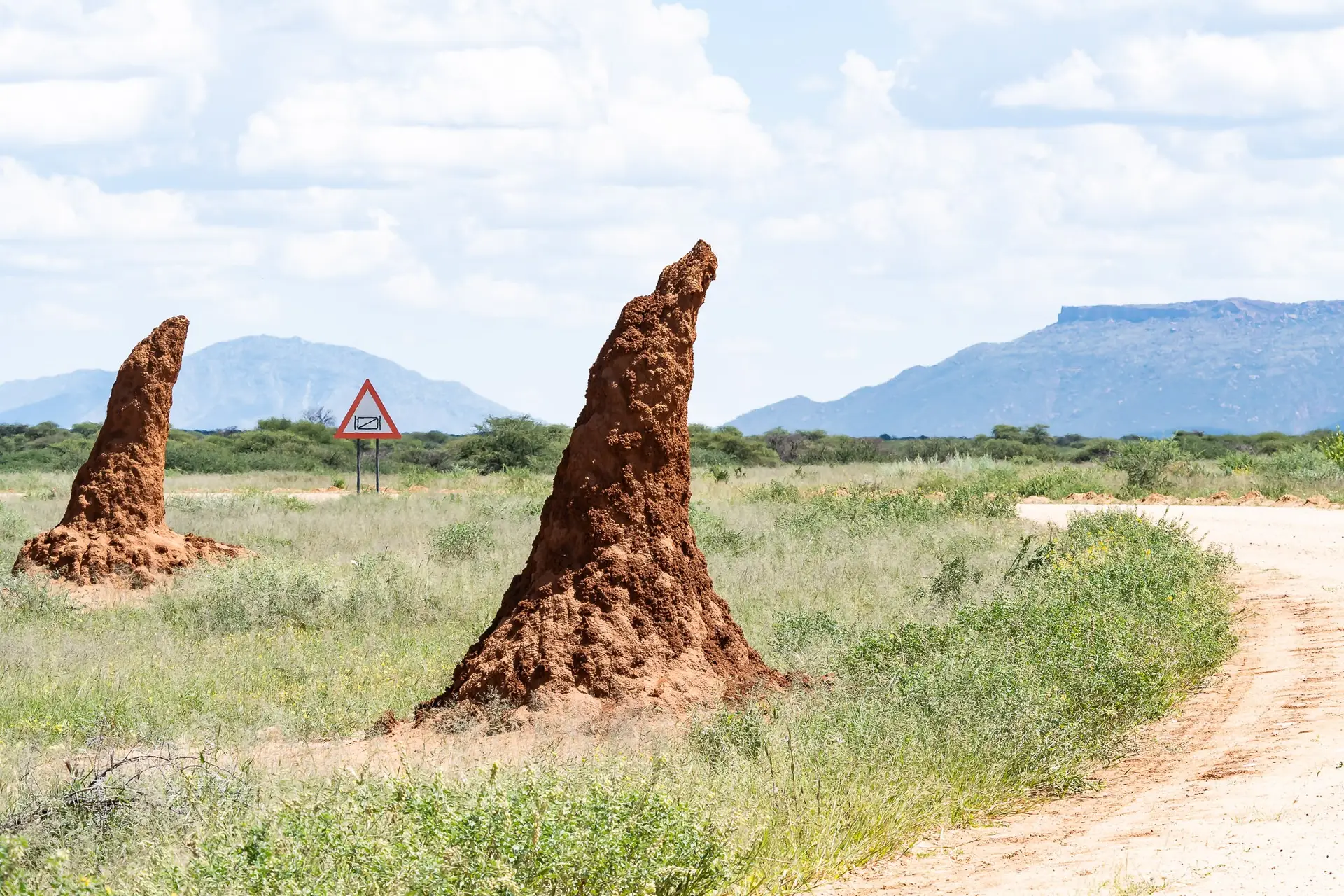
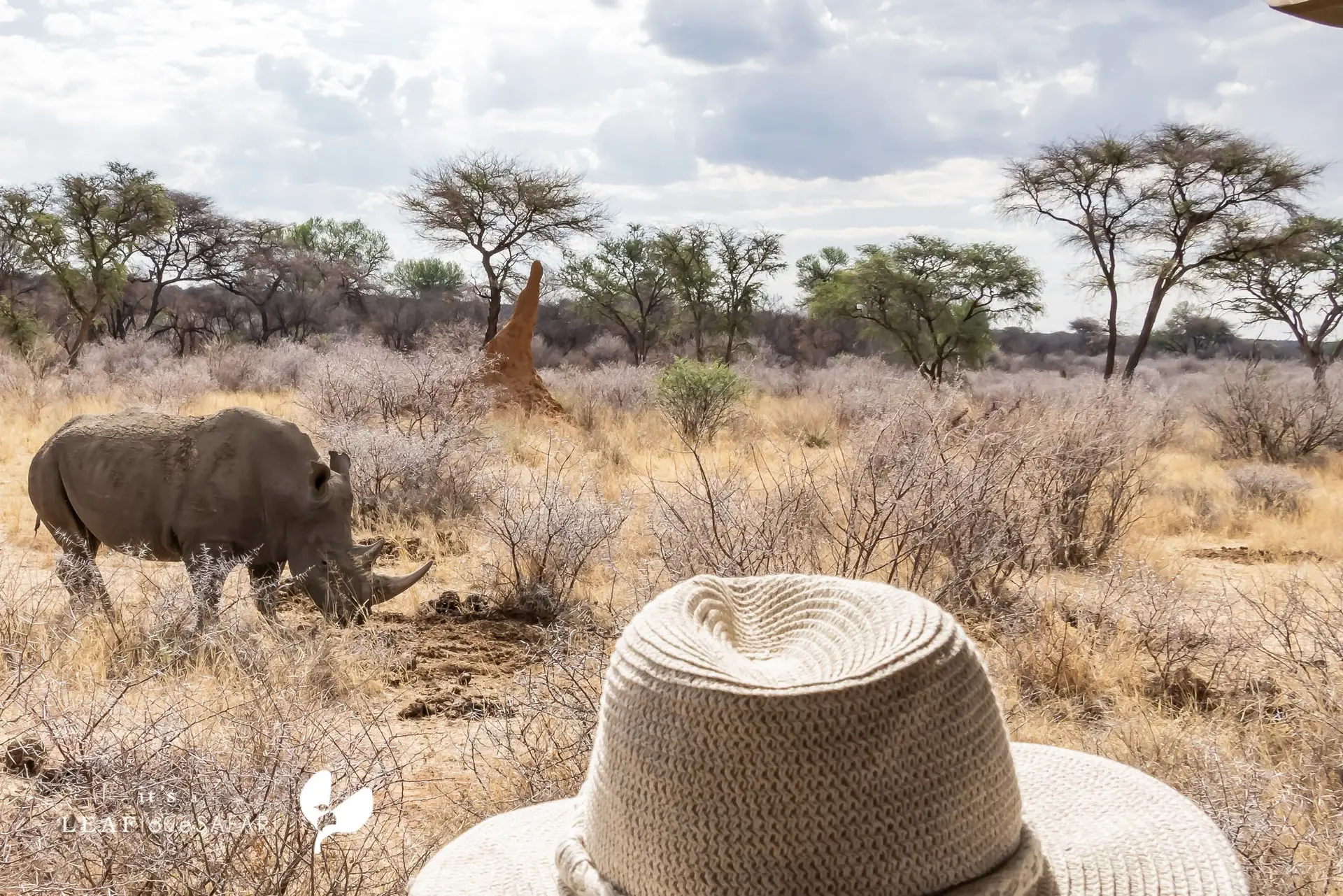
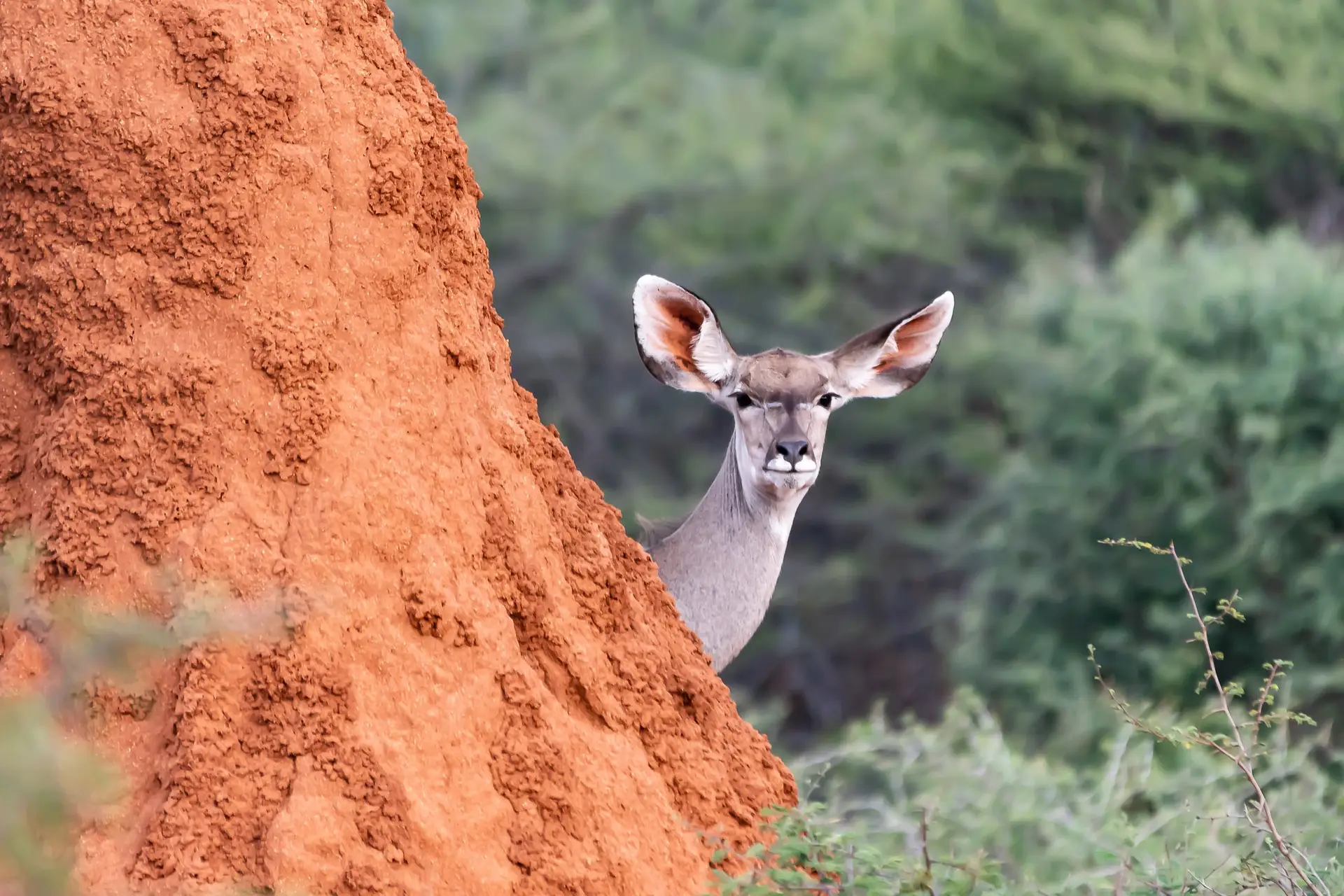
During an open vehicle game drive with experienced guides, you will explore this diverse wilderness in search of its remarkable wildlife. Elephants, rhinos, giraffes and lions are regularly encountered, while greater kudu, warthogs and many other species are common throughout the reserve. The landscape is also characterised by impressive termite mounds, some reaching heights of up to five metres.
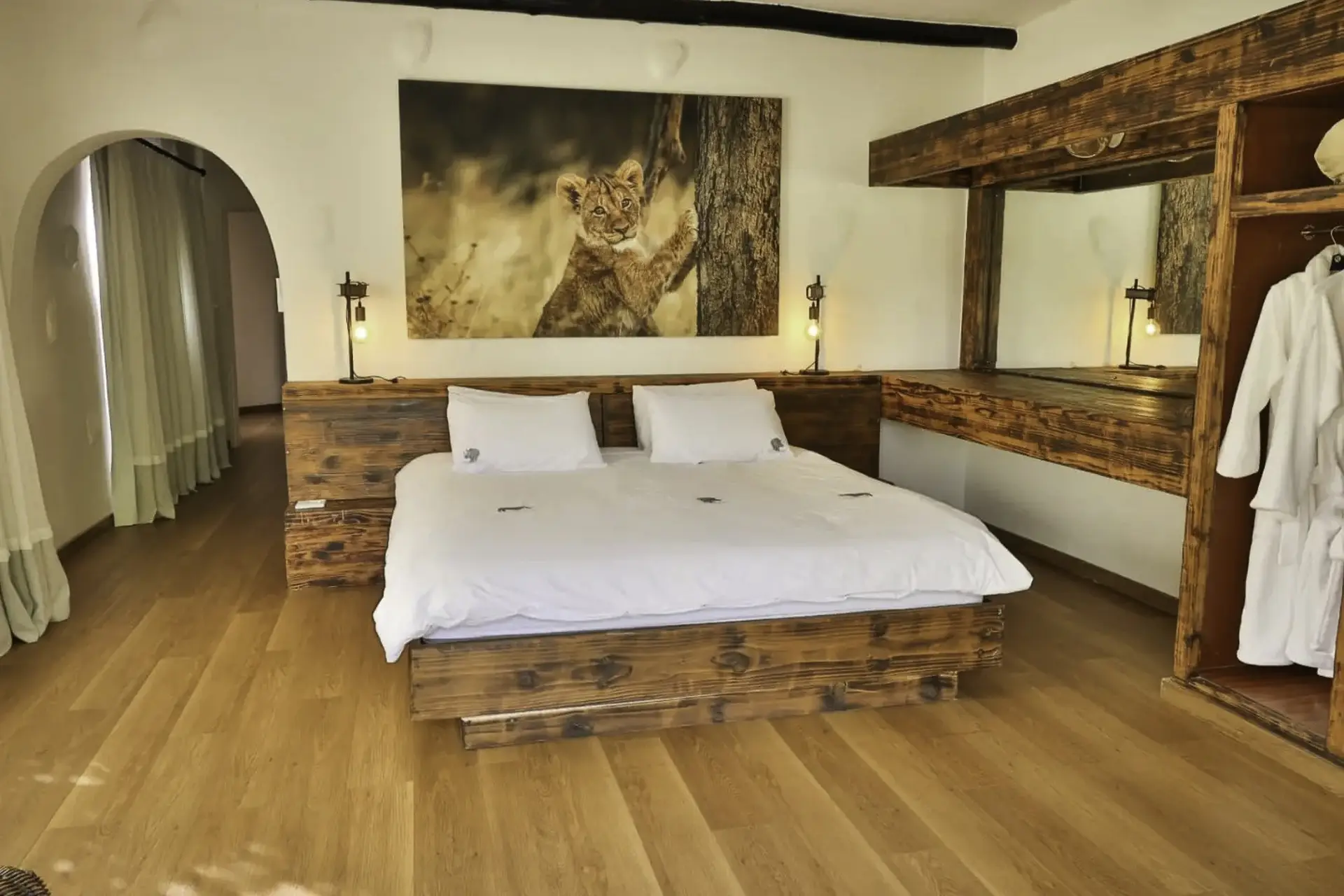


2 nights at one of the prime lodges of the Africat Foundation
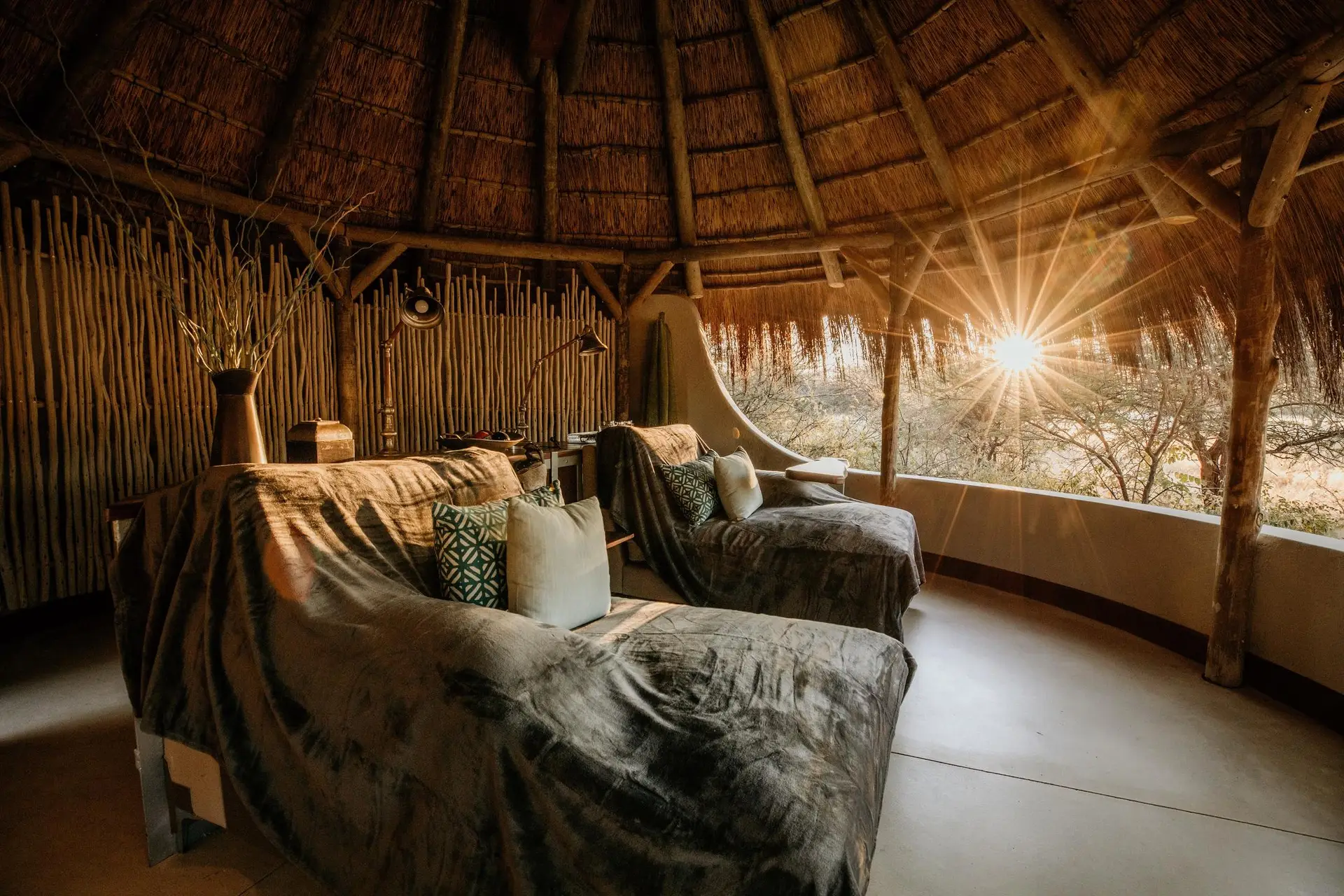
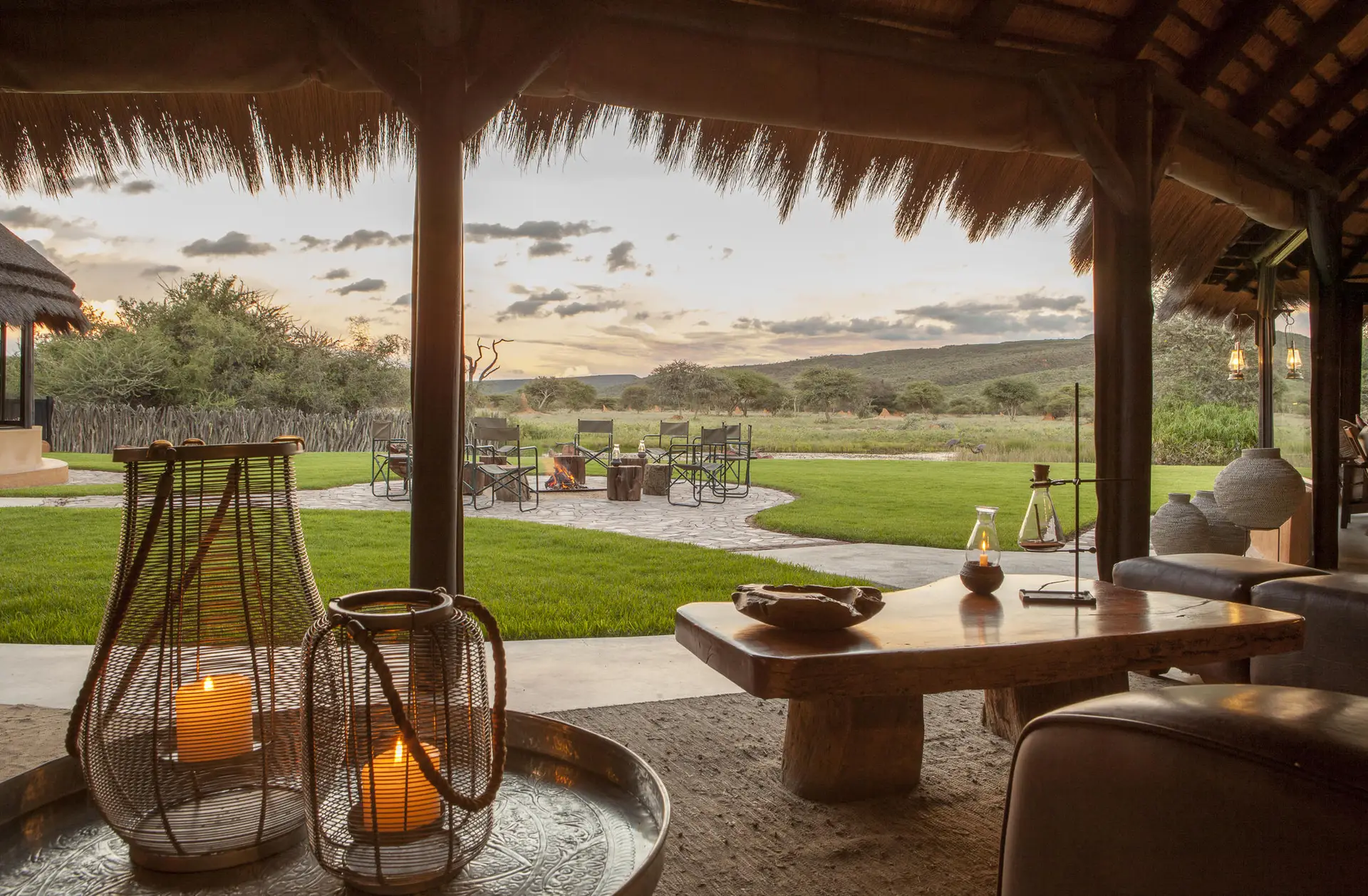


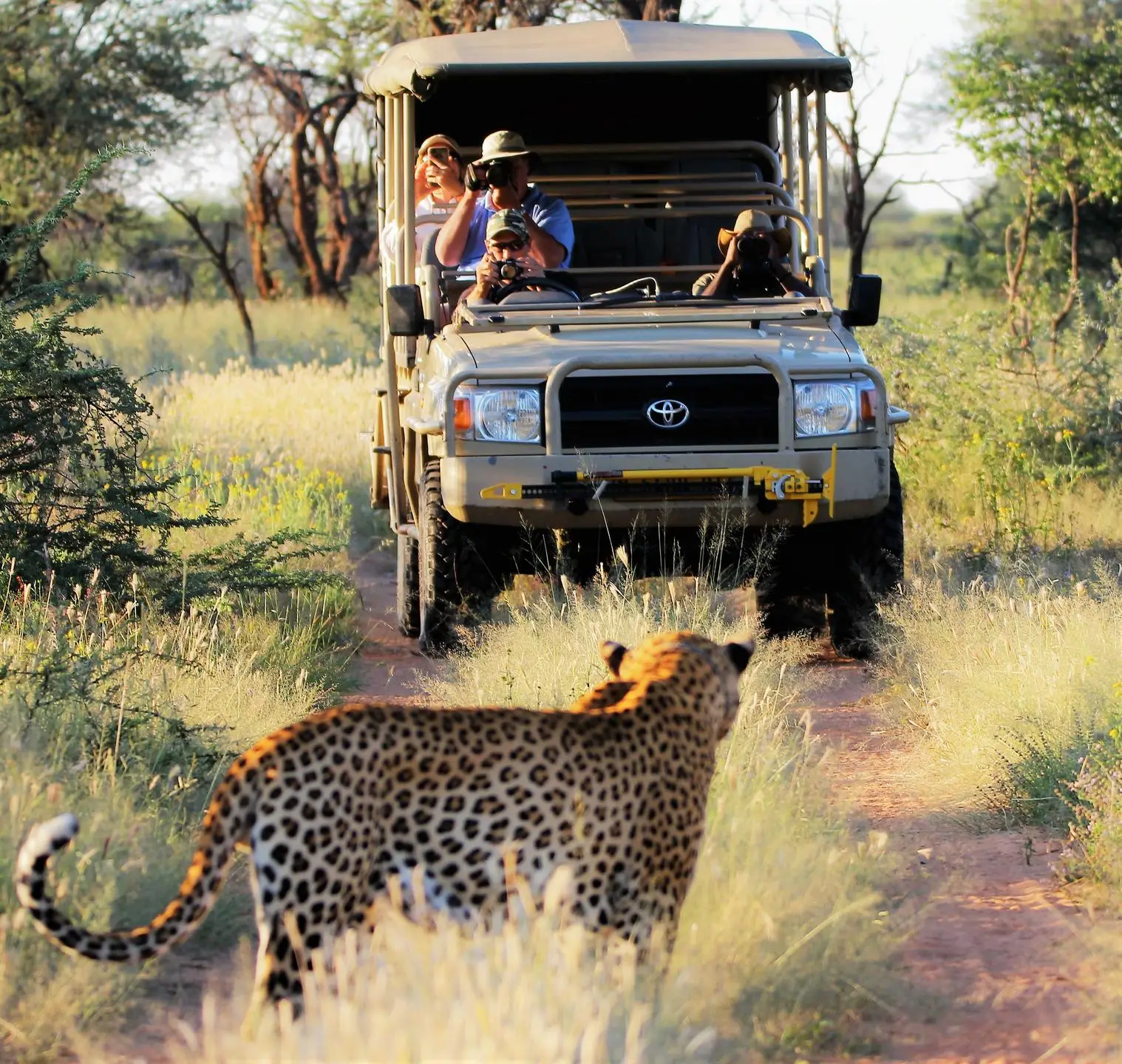
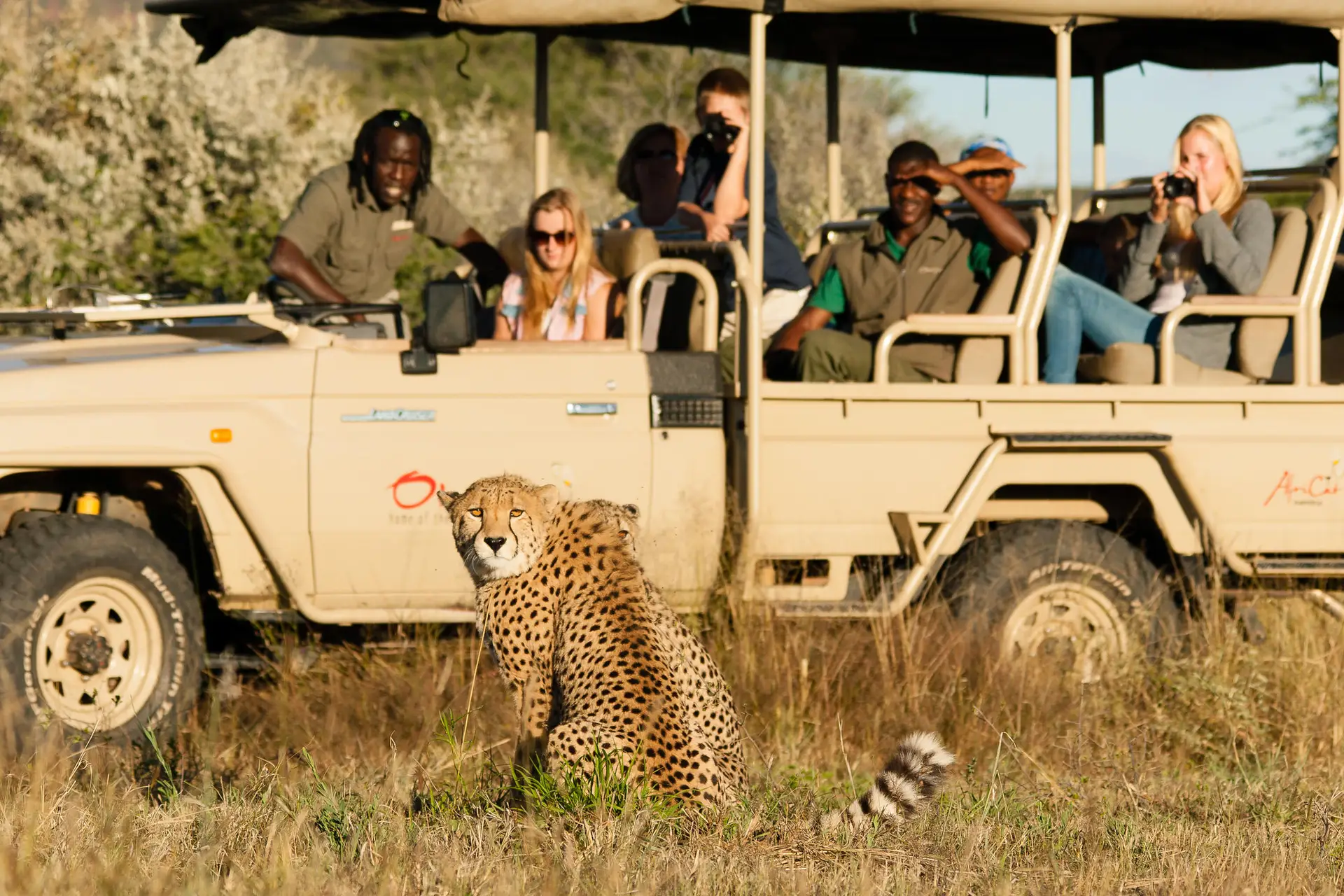
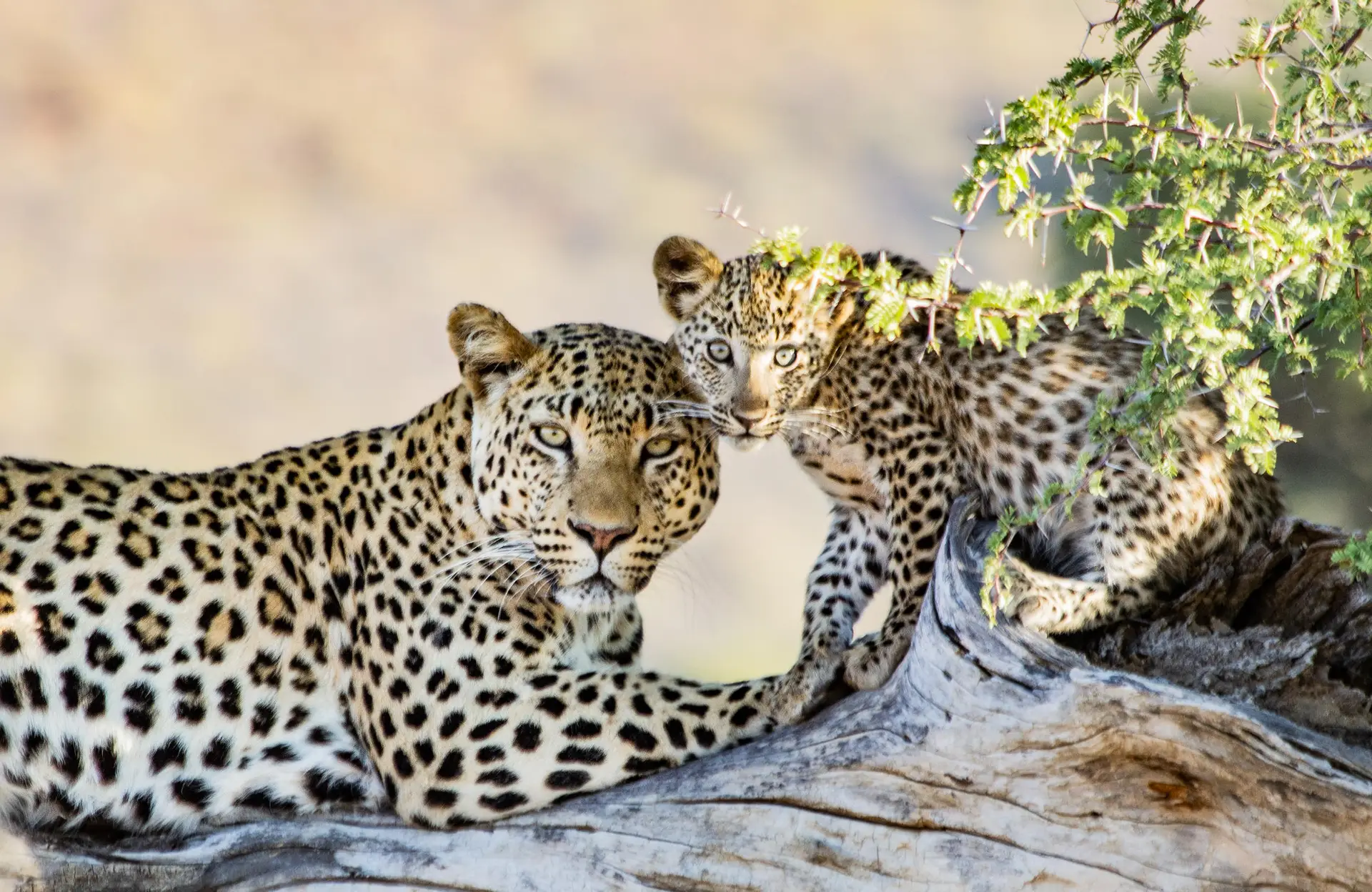
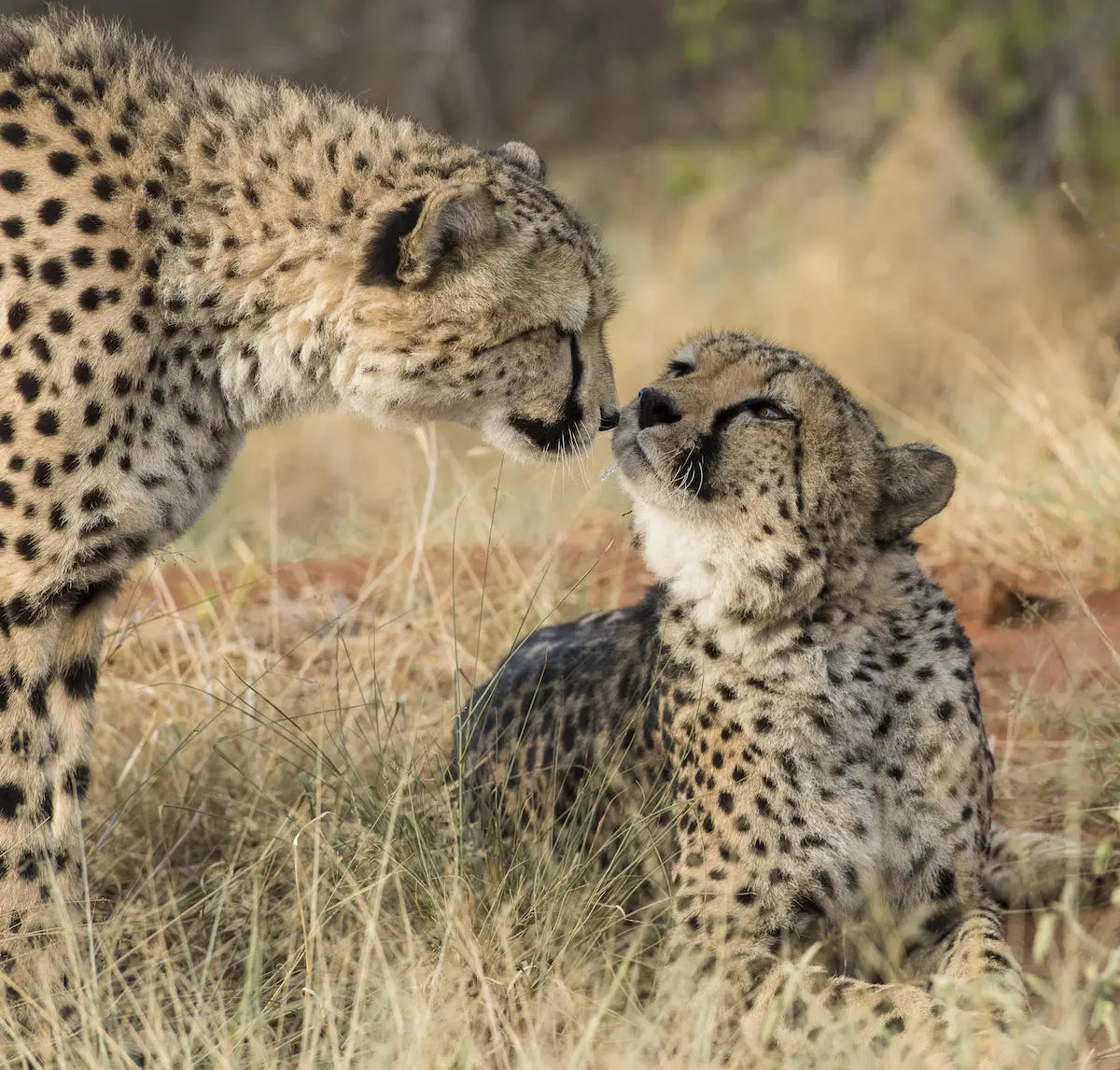
With Okonjima, you arrive at one of Namibia’s most fascinating wildlife reserves and the home of the renowned AfriCat Foundation. For many years, the foundation has been dedicated to the conservation and research of Africa’s wild cats. The reserve is particularly famous for its outstanding opportunities to observe free roaming leopards, while brown hyenas are also seen regularly. With a little luck, and on request, you may even join a specialised search for one of Africa’s rarest mammals, the remarkable pangolin.
Game drives are conducted in open four wheel drive vehicles and are led by experienced rangers and researchers. In addition to exceptional wildlife encounters, you will gain fascinating insights into the conservation work of the AfriCat Foundation. The carefully managed activities also provide excellent opportunities for wildlife photography.

1 night directly at the Ugab Terraces with beautiful views and high-quality ambience.
Dinner, bed and breakfast
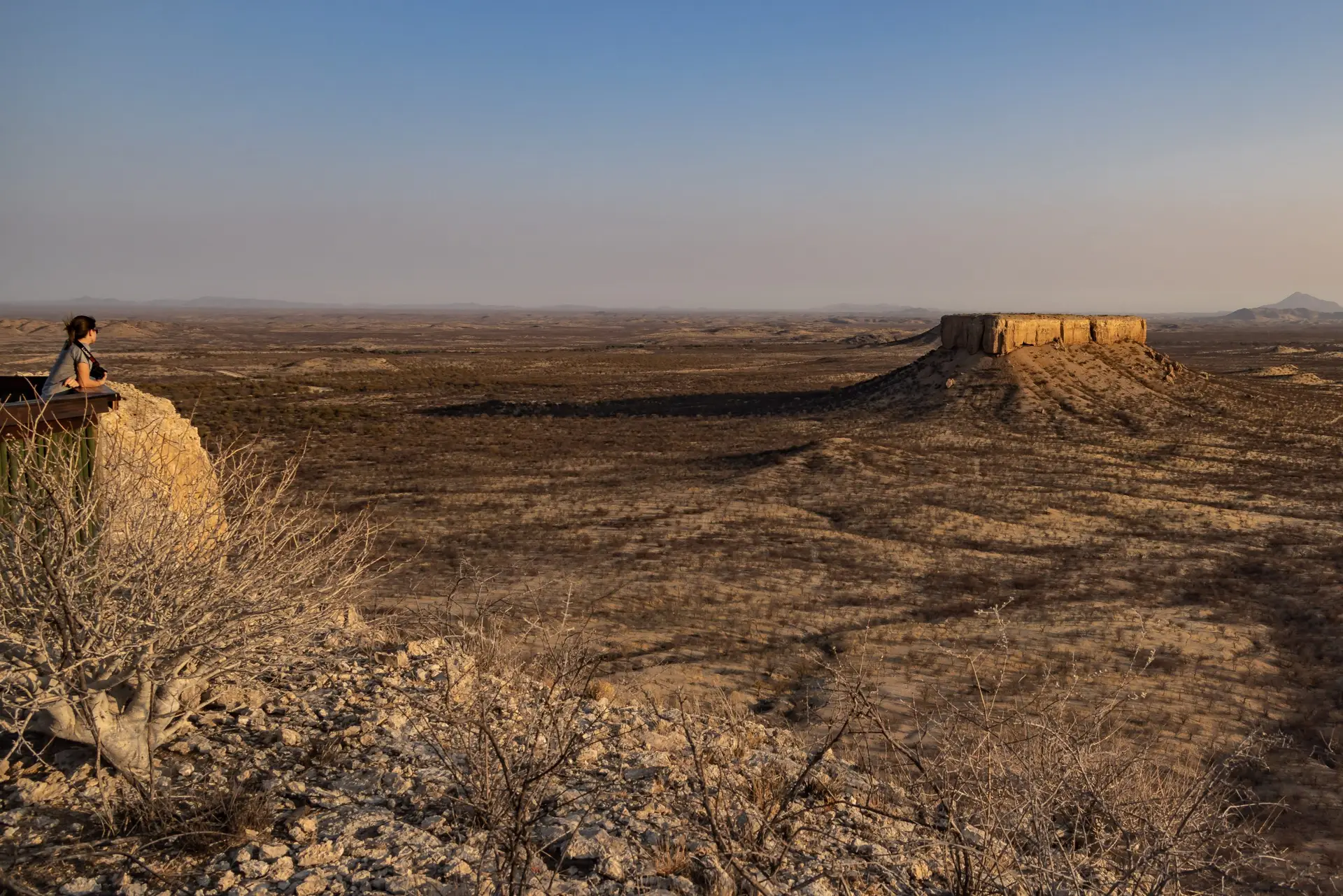
Unpredictably, limestone reefs rise from a landscape adorned with termite mounds. The Ugab Terraces, while not as vast as America’s Monument Valley, boast a striking erosion valley that’s a geological marvel. The centerpiece is an enormous rock formation known as the “Vingerklip,” translating to “Rock Finger.”
You can embark on a brief hike through the steep Mopane savannah, tracing these dramatic reefs up to the colossal stone finger, standing tall and imposing in the midst of this unique terrain.
2 nights in the central area of the National Park at a good private lodge outside the park or in a semi-state Waterhole Chalet directly at the world famous Okaukuejo Waterhole.
Dinner, bed and breakfast
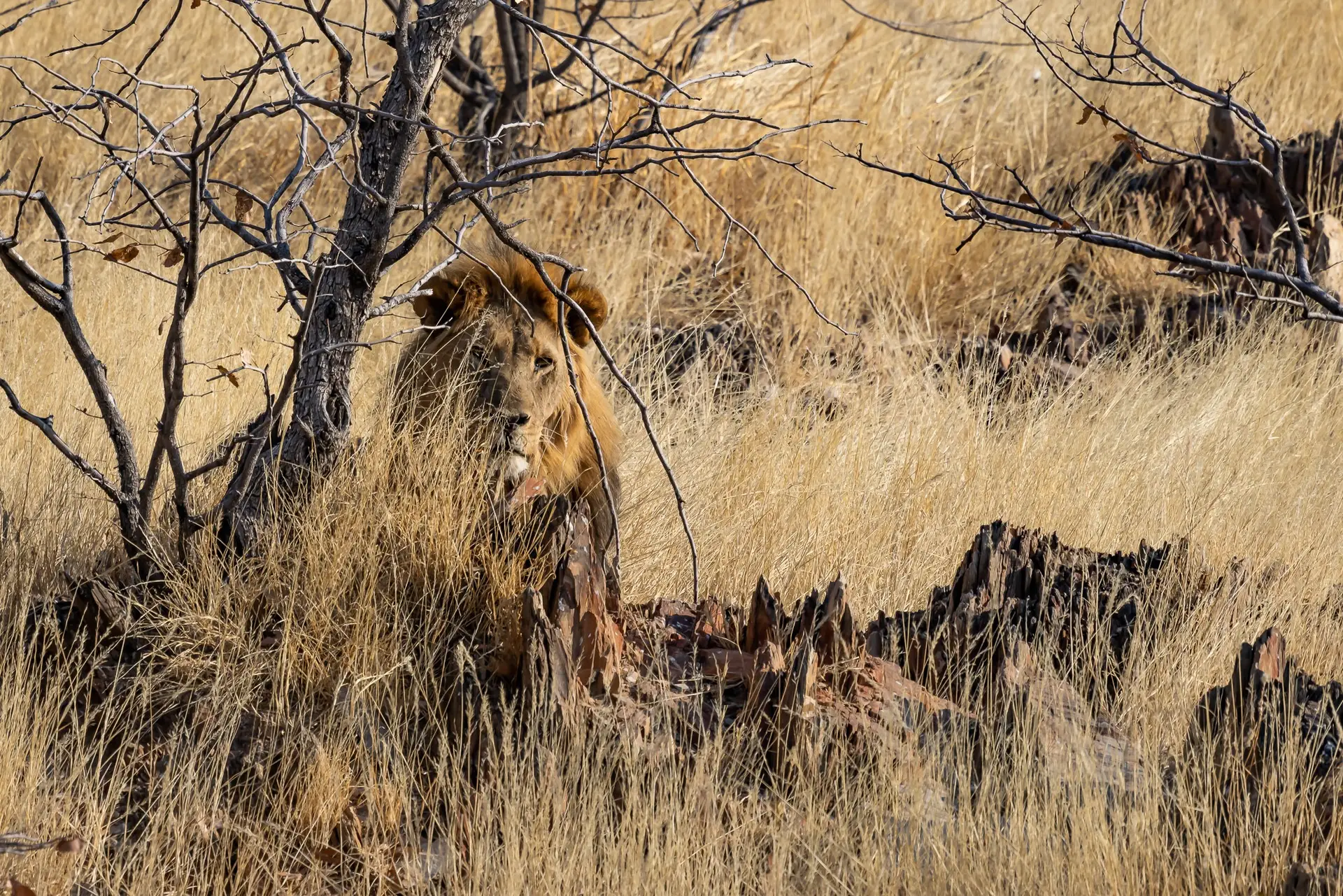
The “Great White Place,” an expansive expanse covering over 4000 km2, stands as a canvas of vast emptiness, its borders adorned with ever-shifting vegetation. Our journey takes us through a arid forest, leading into an endless grassy steppe where zebras roam freely. This expanse transforms once more into an acacia savannah, where graceful giraffes graze, and if we’re fortunate, we may spot lions seeking respite in the shade of dense mopane trees.
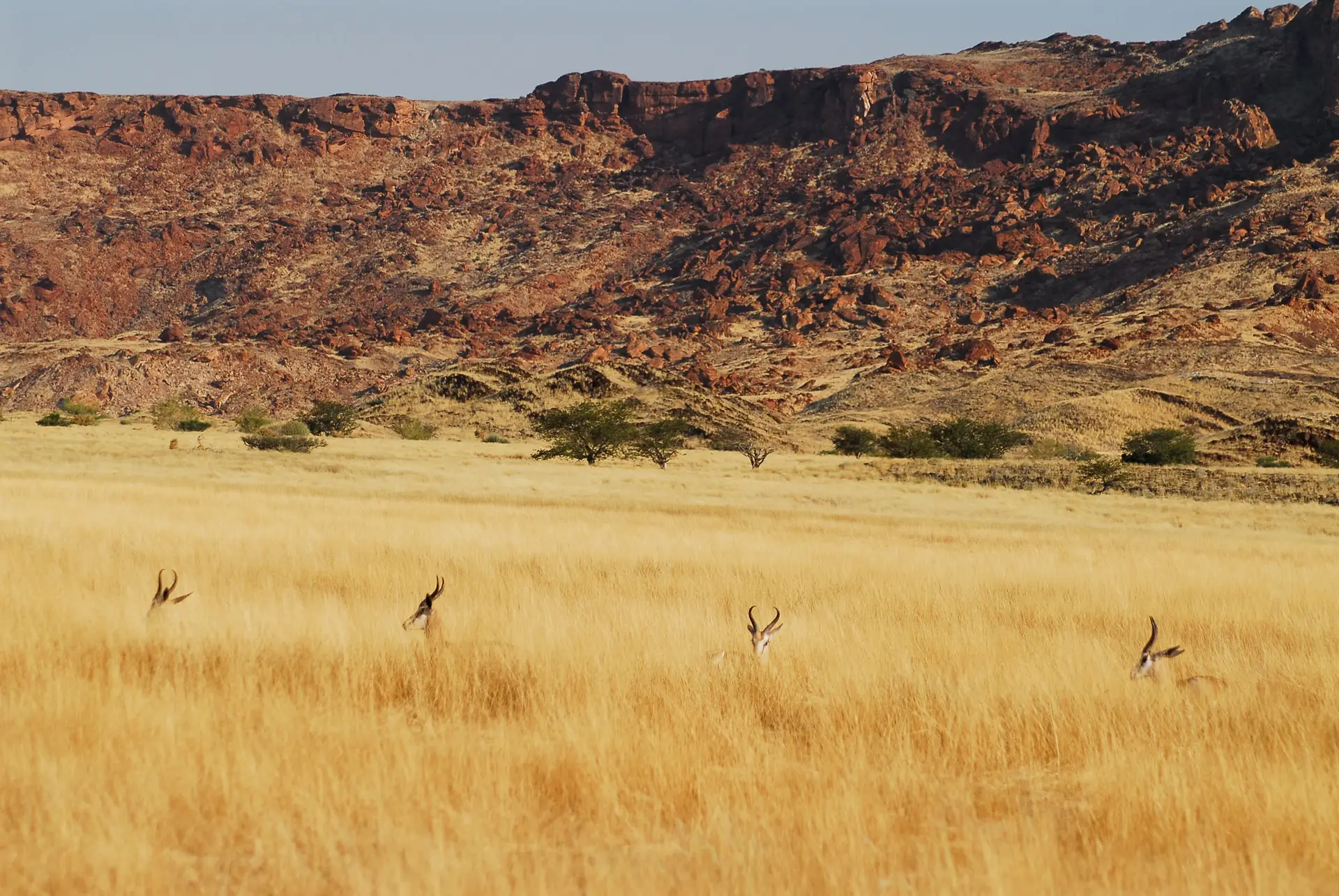
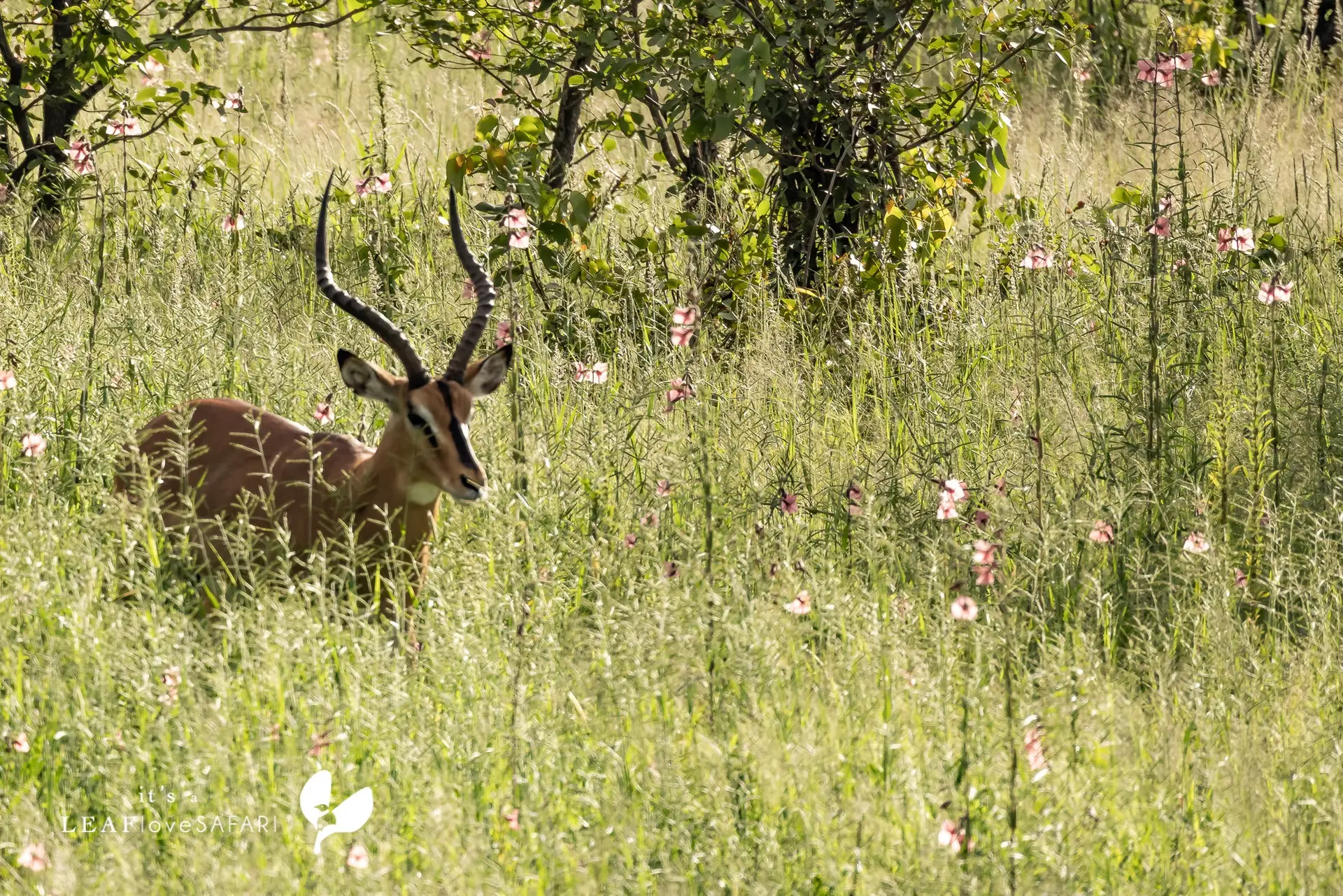
In this realm, wildlife has grown accustomed to the presence of vehicles, providing exceptional opportunities for both game viewing and photography. Along the way, you’ll encounter several antelope species, including springbok, red hartebeest, wildebeest, steenbok, dik-dik, and even the rare black-nosed impala and oryx. Predators such as lions make frequent appearances, while leopards and cheetahs may grace us somewhat less often. Pachyderms, including both rhino species and elephants, also call this place home, with giraffes gracefully towering above the trees. Additionally, there’s an abundance of small animals and a vibrant avian presence to observe and admire.

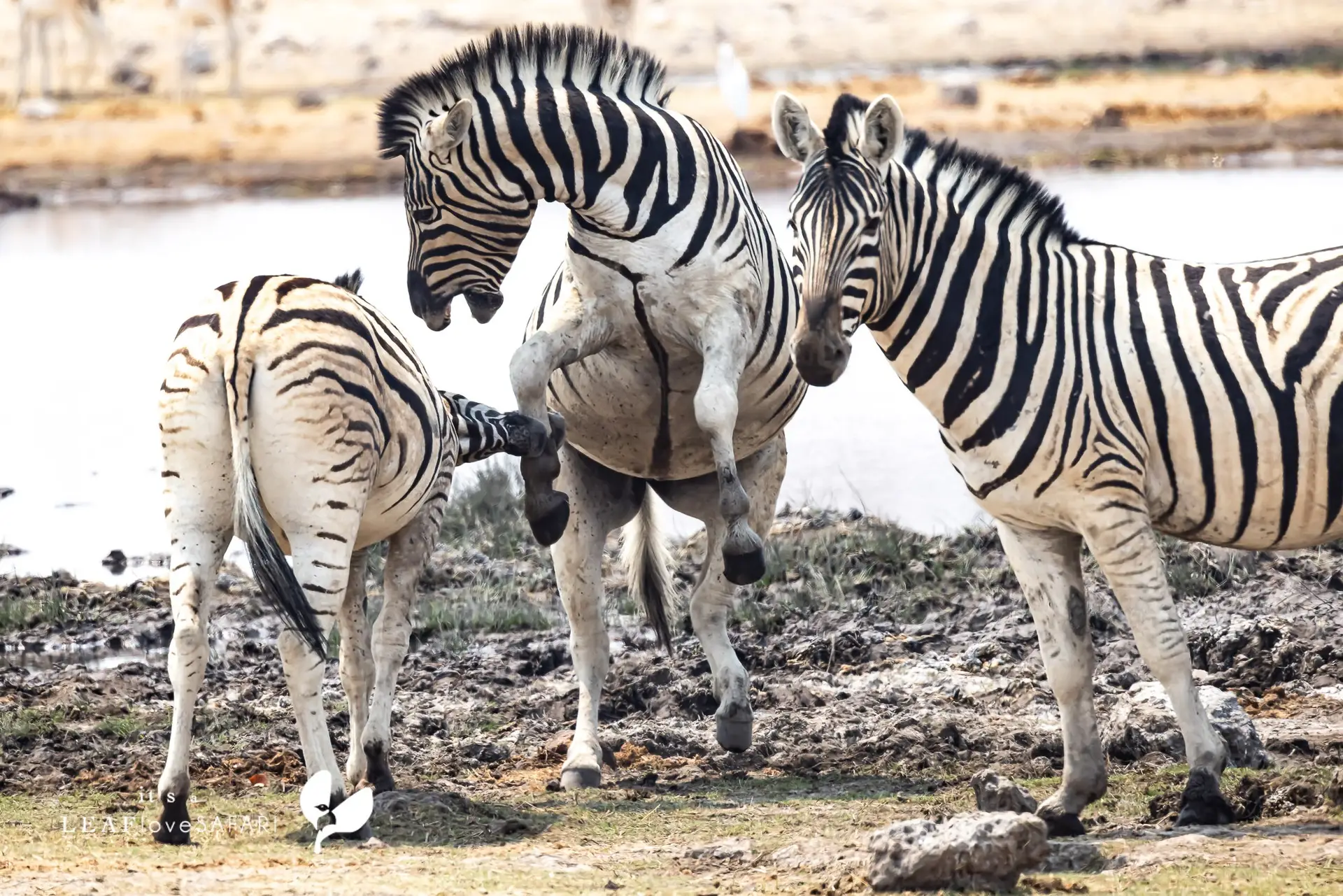

If you’ve chosen the extended drive through Etosha National Park’s western region, expect a captivating journey filled with surprises. You’ll visit waterholes where Africa’s wildlife frequently gathers, providing unforgettable encounters.
This area offers unspoiled natural beauty, with endemic Hartmann’s mountain zebras, abundant antelope, and graceful giraffes. While lions, leopards, cheetahs, and elephants roam here, spotting them requires a bit of luck and experience.
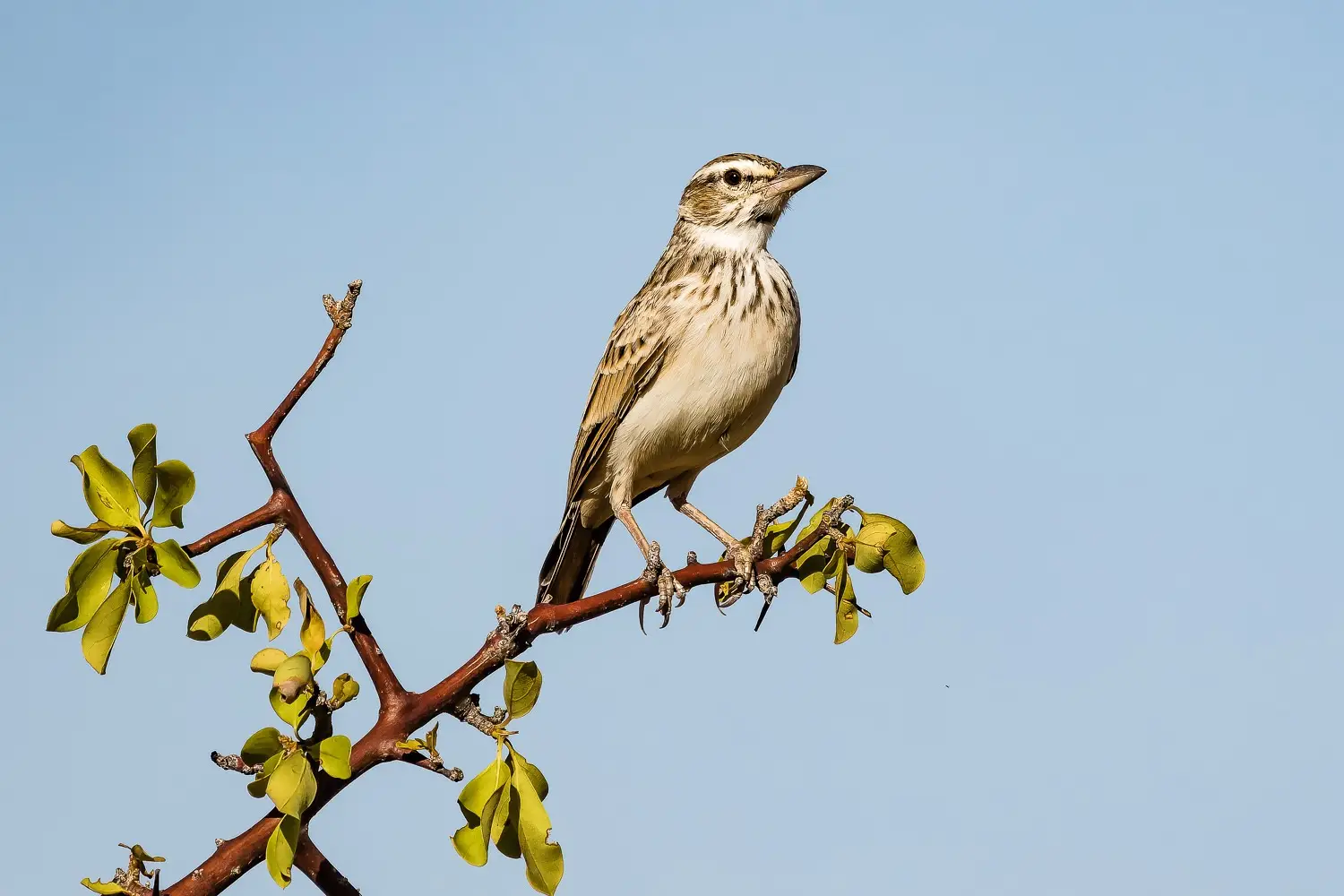
Bird enthusiasts will delight in species like the Bare-cheeked Babbler, Little Sparrowhawk, and Scops Owlet, often found in the lodge’s garden.
For nighttime adventures, the lodge offers thrilling night drives where you might spot aardvarks, porcupines, genets, bat-eared foxes, spring hares, and other nocturnal wonders, adding a touch of enchantment to your safari experience.
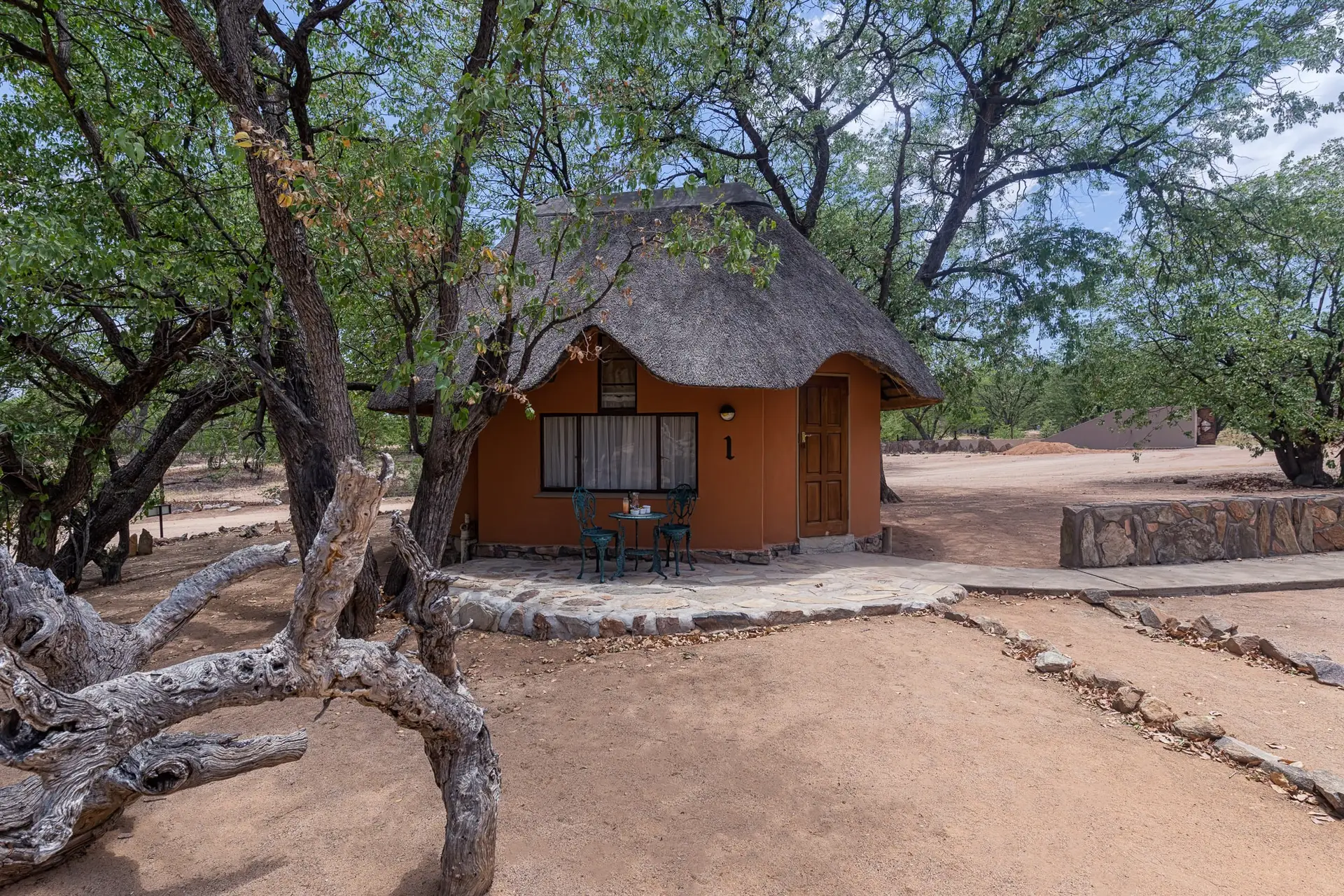
We journey towards the Kunene River, marking the border between Angola and Namibia. Along the way, we encounter vibrant herds of cattle, a colorful mix of lean creatures with long horns, often accompanied by oxpeckers, providing excellent bird-watching opportunities. Interestingly, these herds are tended by Himba people, and as we continue, we start to see the first settlements, offering us a glimpse into the traditional life of these pastoralists.
Guided by a local Himba guide, we visit a “Kraal” or village, where we learn about their customs, such as the application of ochre fat by the women. The Himba guide acts as a cultural bridge, allowing us to capture moments through photography without concern for causing offense.
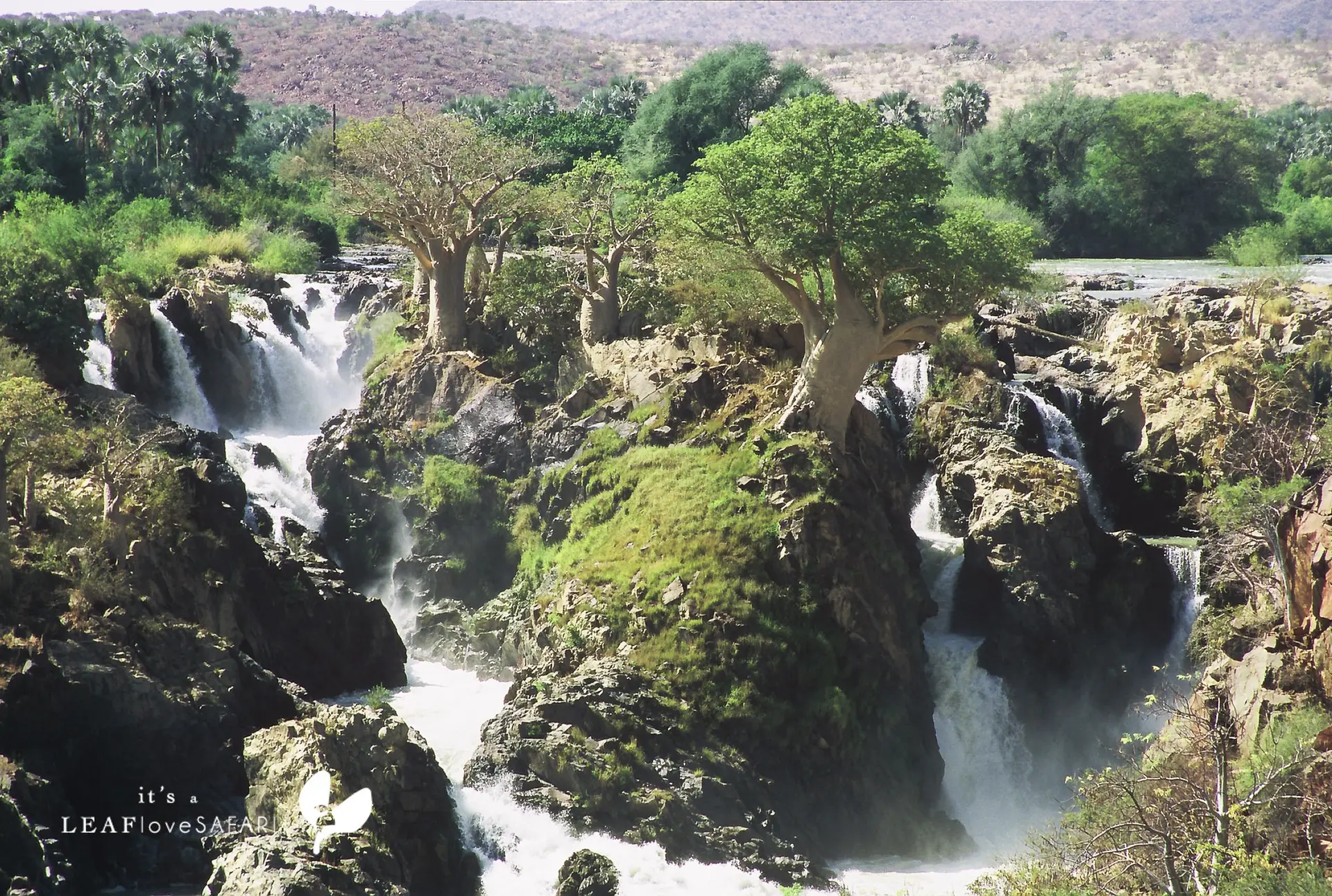
Our journey continues to the remarkable Epupa Waterfalls, a natural wonder that serves as a playground for wildlife, local residents, and a handful of tourists.


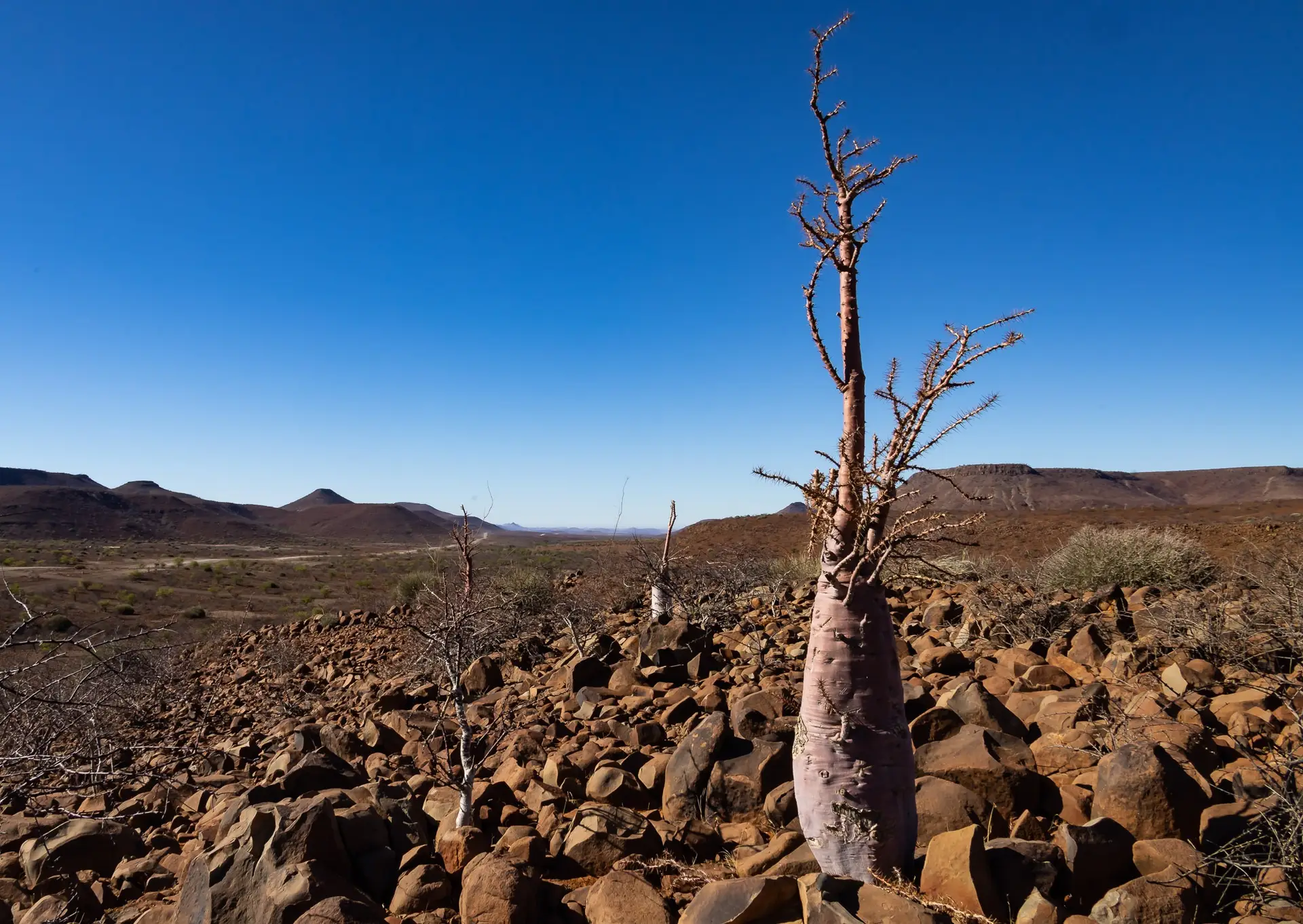
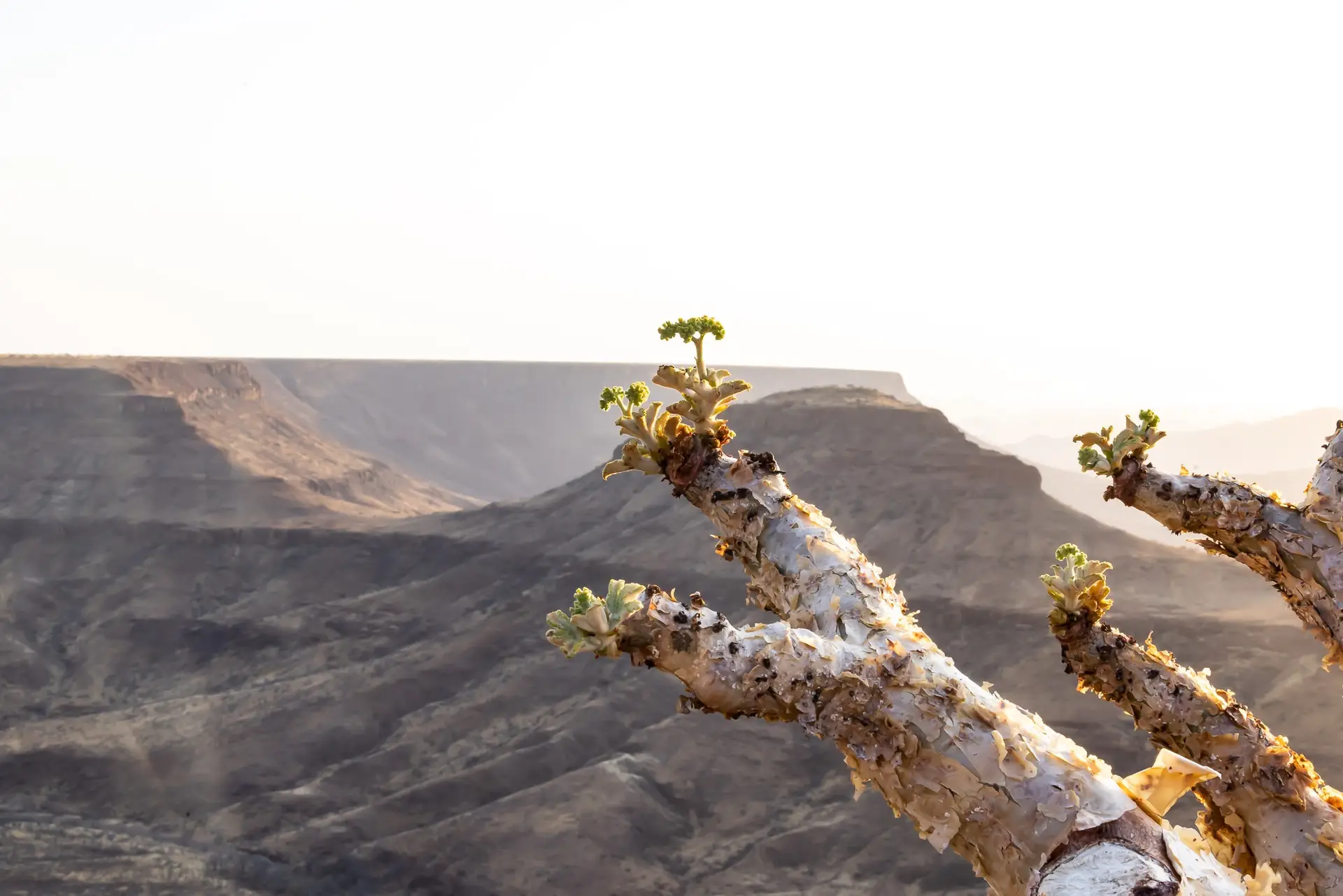
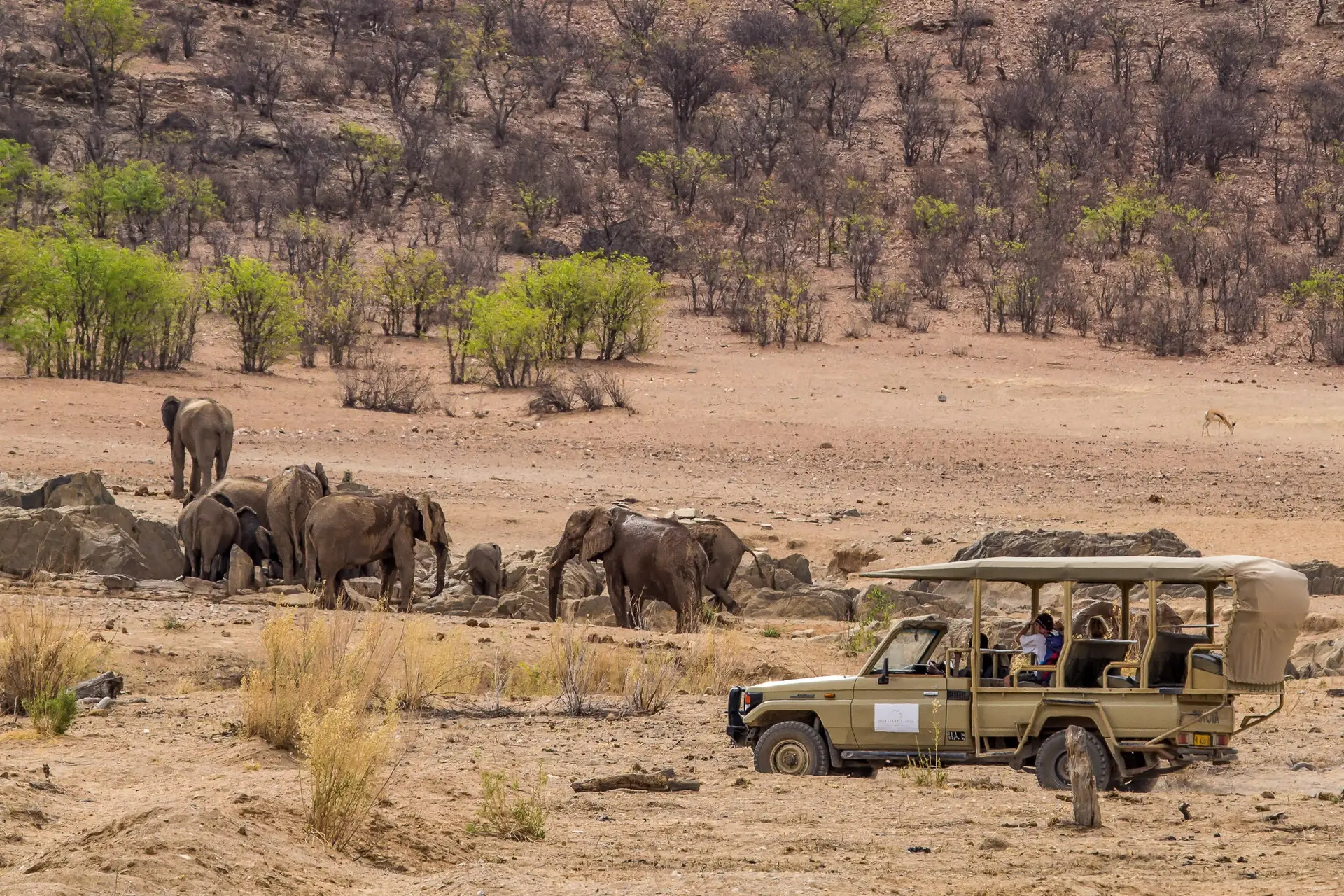
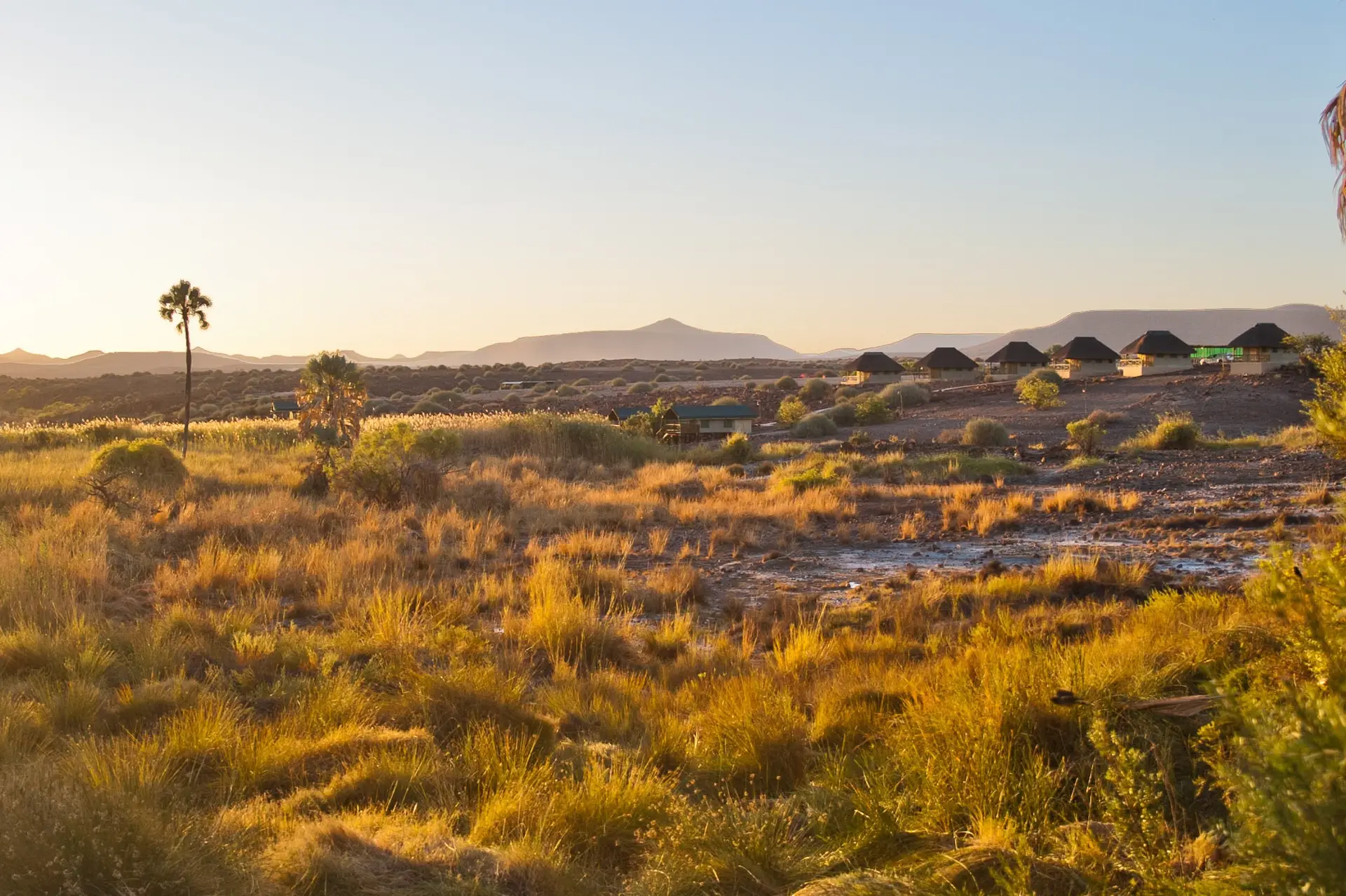
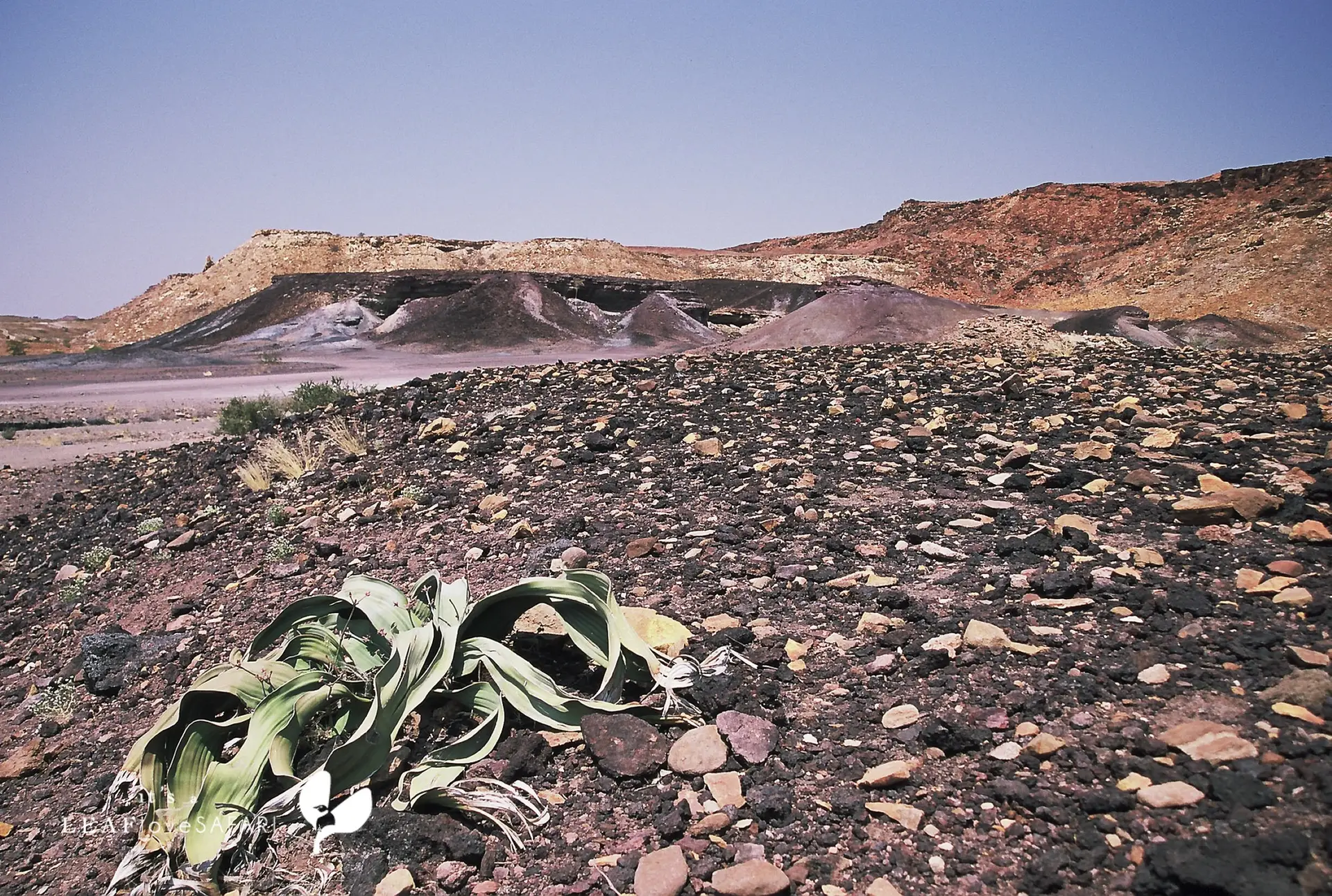
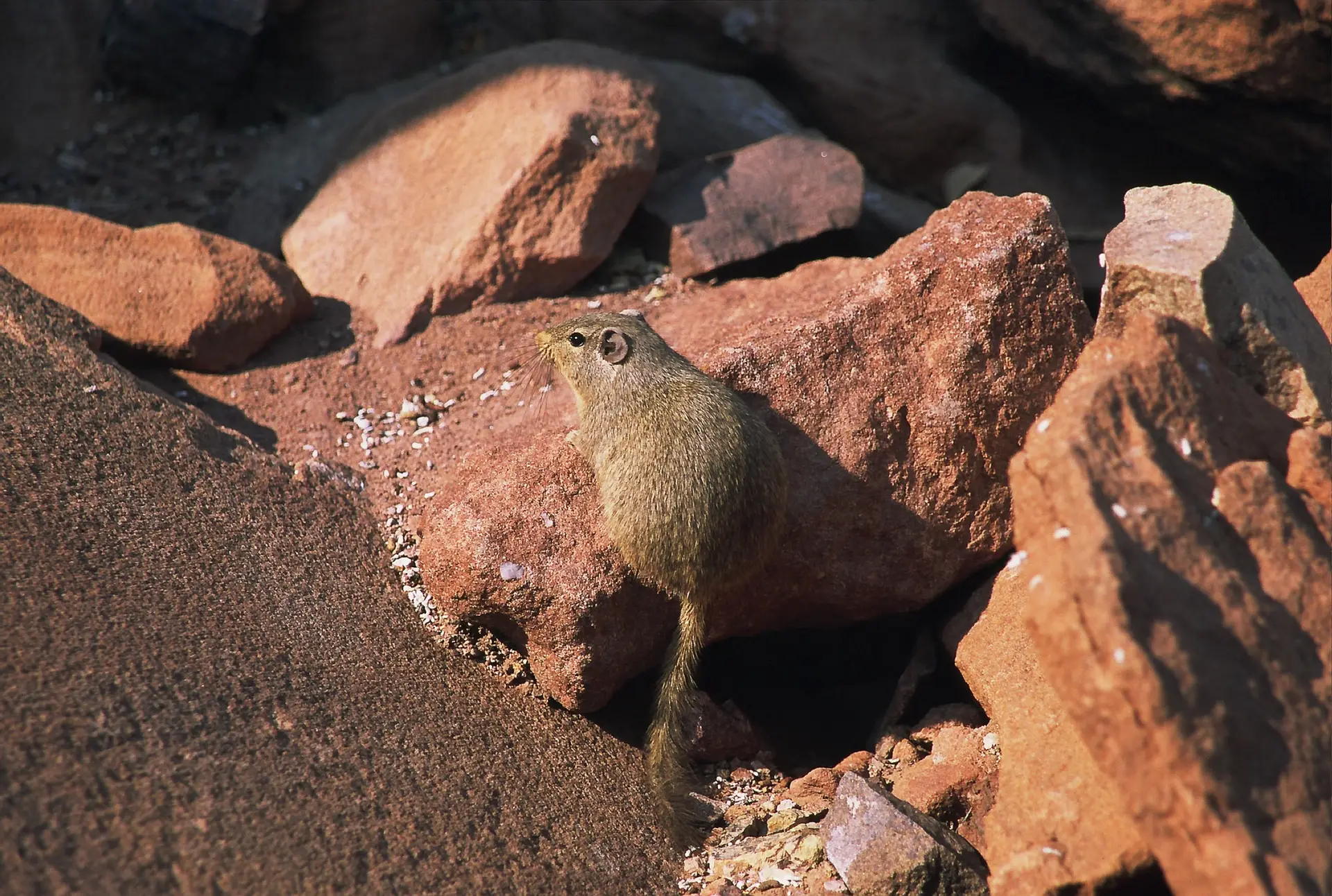
Nestled within the basaltic Etendeka Formation of Damaraland lies the Palmwag spring, ensconced amidst dense reeds and swaying Makalani palm trees. This oasis of water exerts a magnetic pull on the desert’s denizens, drawing in desert elephants, giraffes, and a variety of antelopes like springbok and oryx. Amidst the backdrop of poisonous Euphorbia bushes, one might even catch glimpses of small herds of the endemic Hartmann’s mountain zebra.
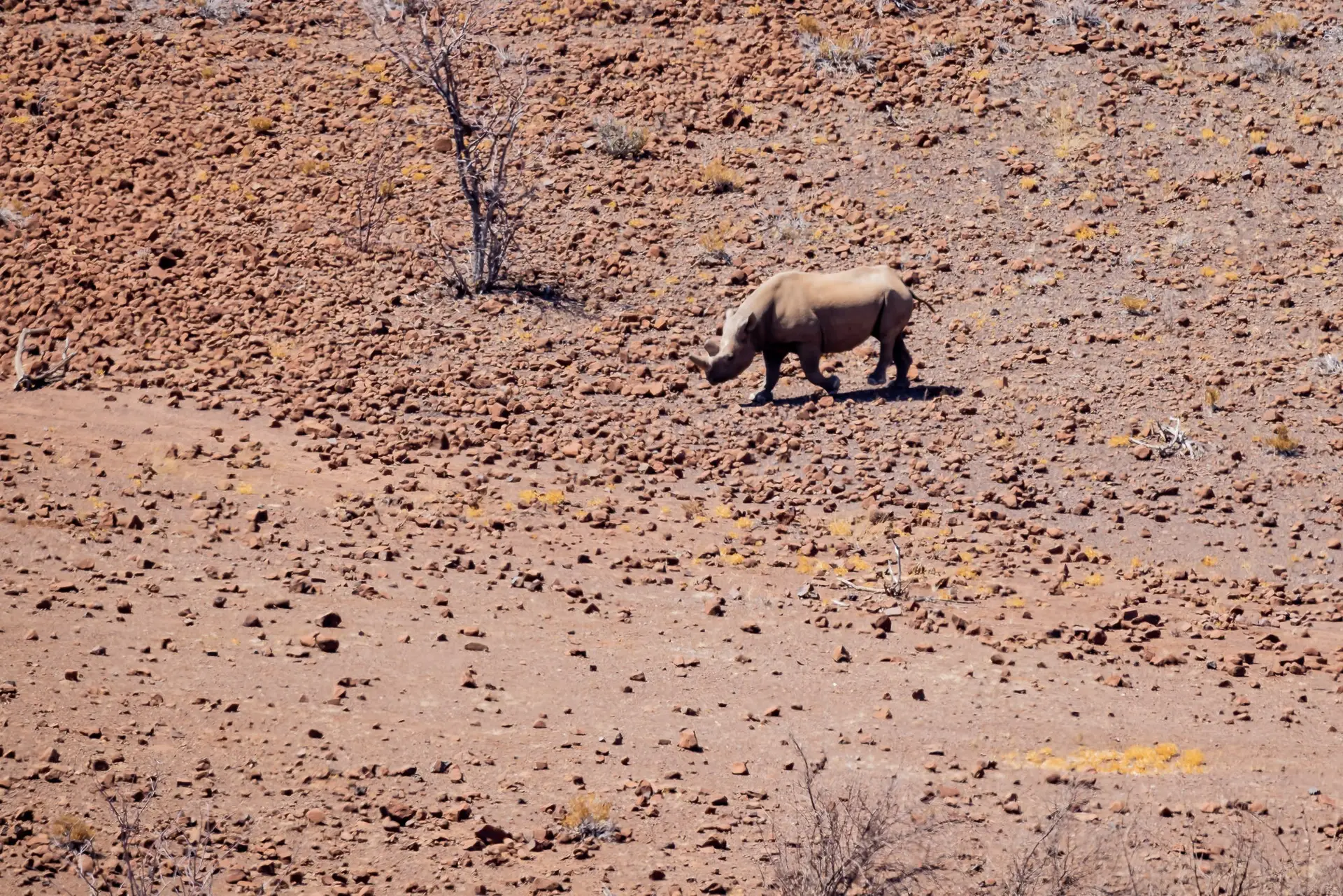
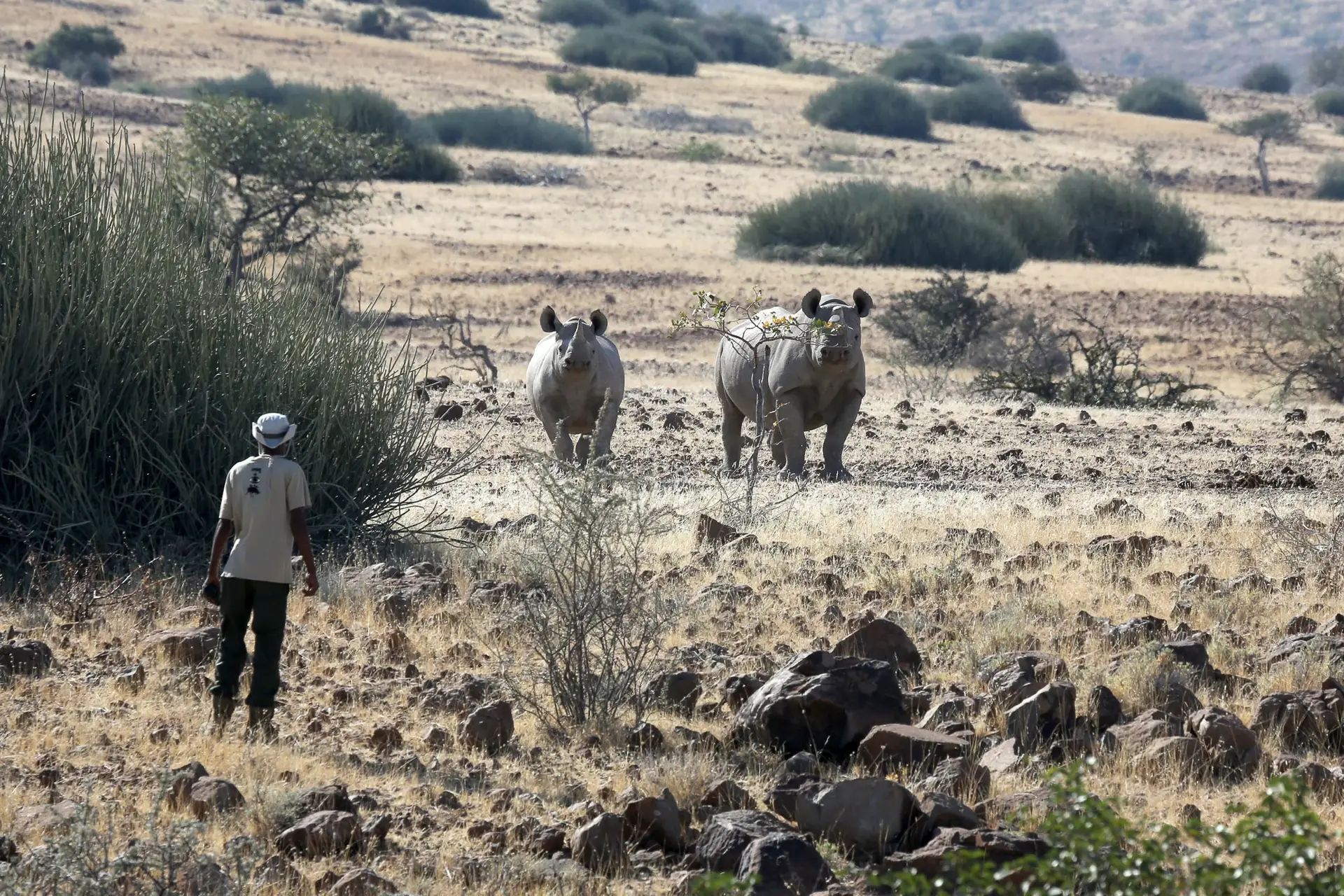
The dry rivers of Damaraland serve as the habitat for desert elephants, black rhinos, and desert lions, making them a sought-after destination in this semi-desert landscape. Consider taking an optional locally guided day tour designed to introduce you to the endangered black, also known as hook-lipped, rhinoceros. During this excursion, you’ll also have the opportunity to observe other wildlife, including desert elephants on the move and, on occasion, the elusive and skittish desert lions.
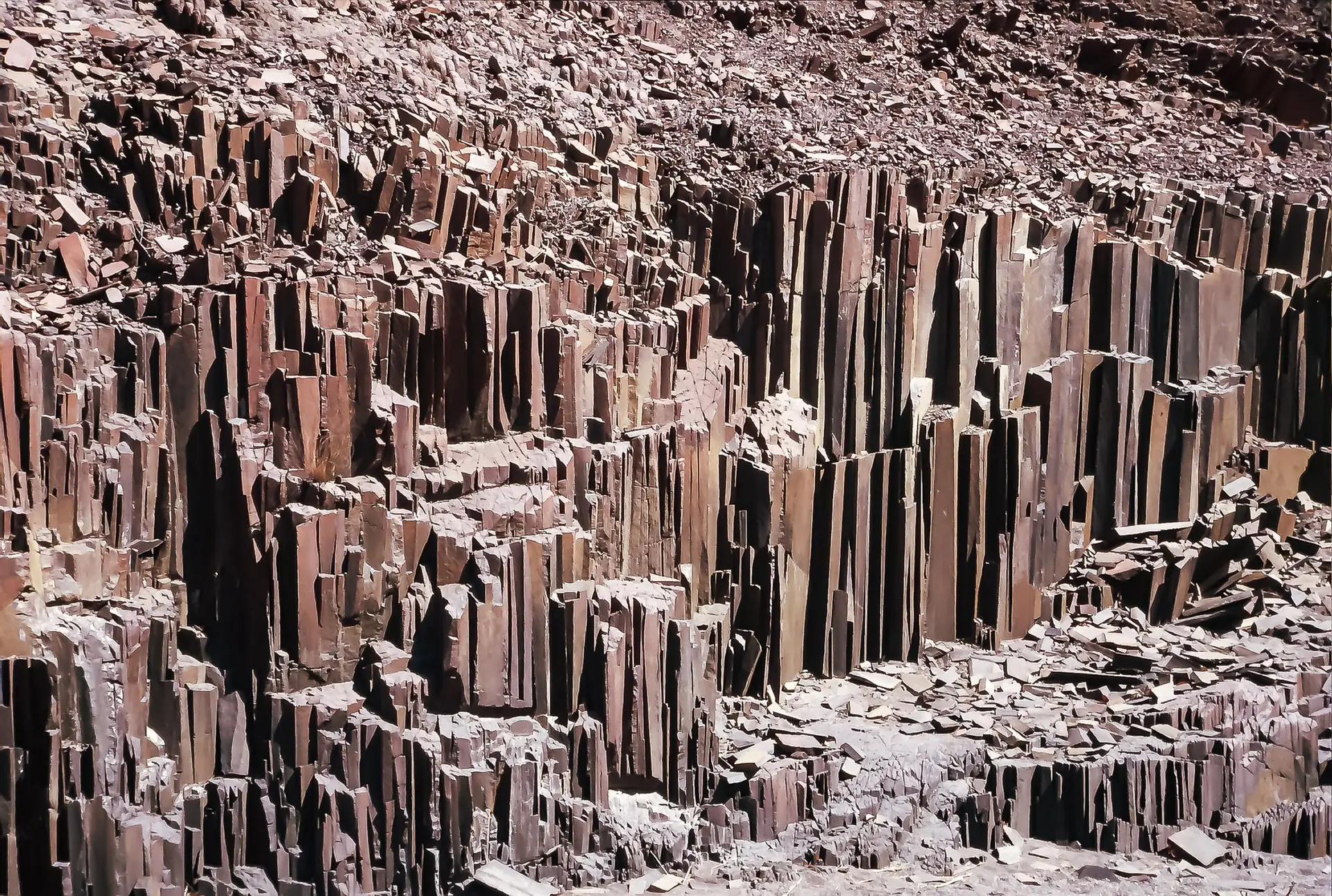
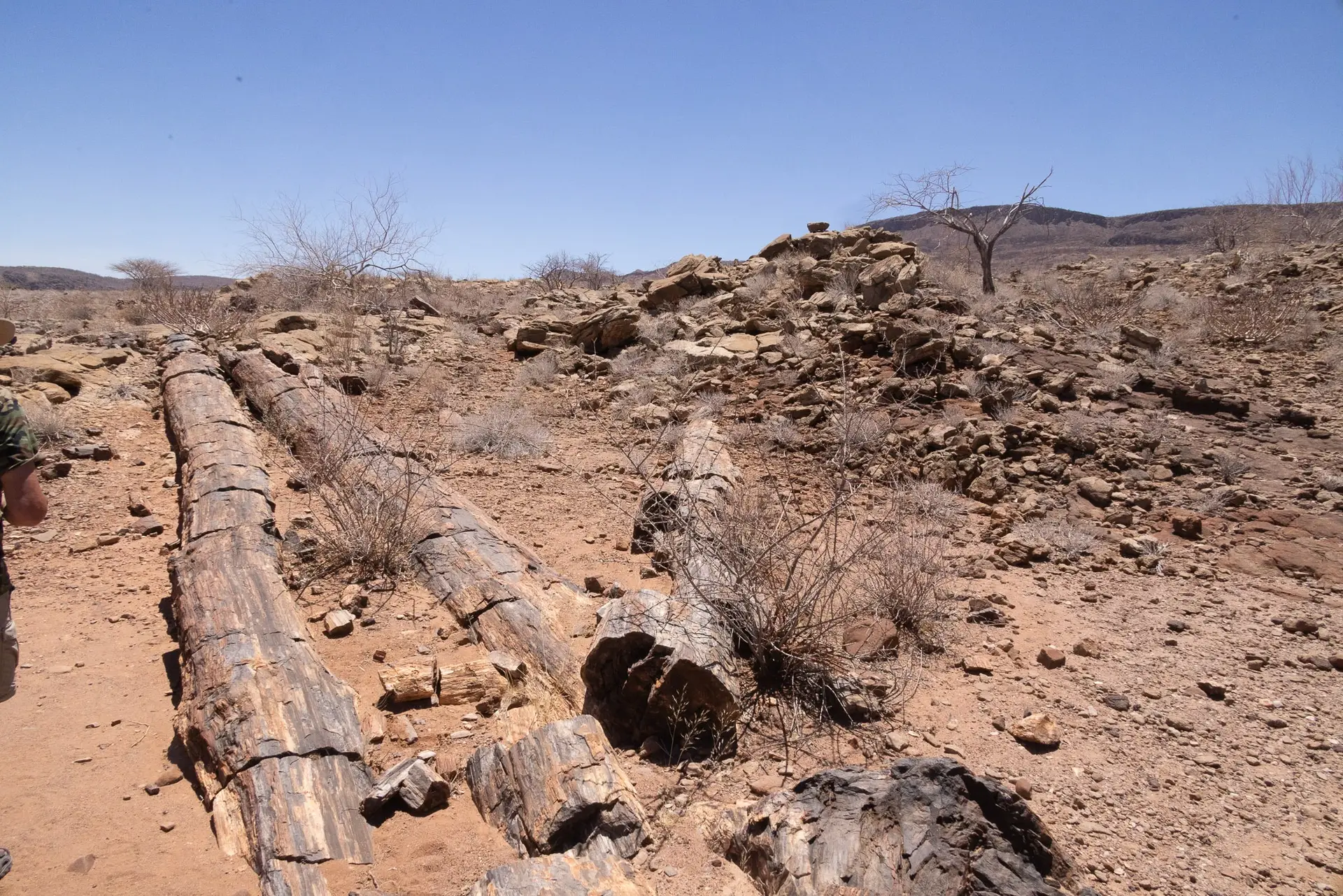
Notable attractions in the region include the ancient petroglyphs at “Twyfelfontein,” which date back to 4000 – 6000 years ago, the intriguing “Burnt Mountain,” and the basaltic wonder known as the “Organ Pipes.” Remarkably, around 200 million years ago, colossal primordial “cordaites” trees were transported here in massive mud floods from Central Africa and buried in layers of mud. Under conditions that lacked oxygen, petrification occurred, and today, these “fossilized trees” stand as a peculiar and remarkable geological formation.
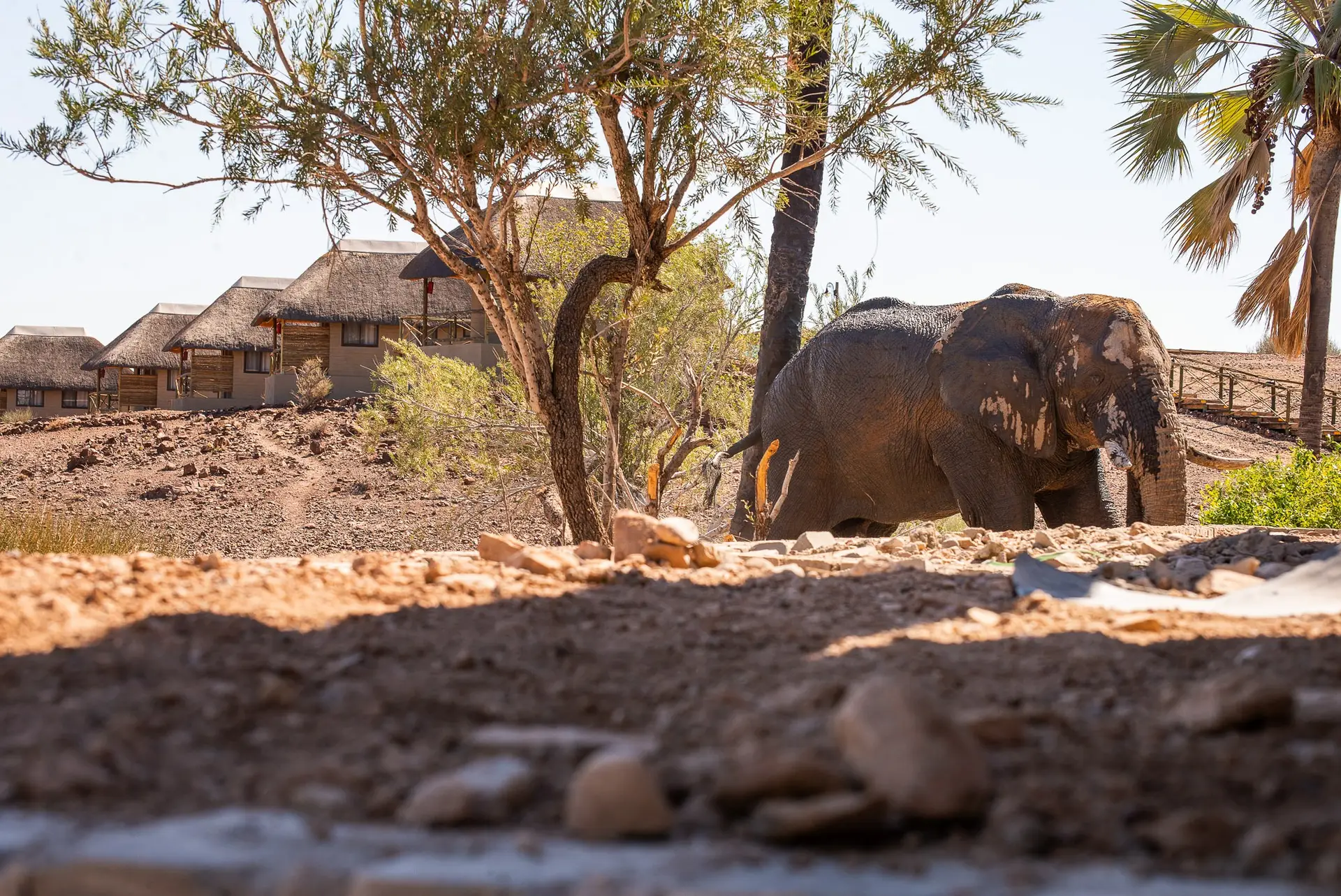
Amidst this geologically captivating desert landscape, the dry Huab River winds its way westward. The towering Ana trees, also known as “winter thorn acacias,” produce red pods that are a favored food source for desert-dwelling elephants. We’ll take you off the beaten track to get up close to these magnificent creatures, ensuring a unique and memorable encounter.


Even from a distance, Namibia’s most iconic “island mountain,” the Spitzkoppe, rises like a natural monument from the flat gravel expanse of the Namib Desert.
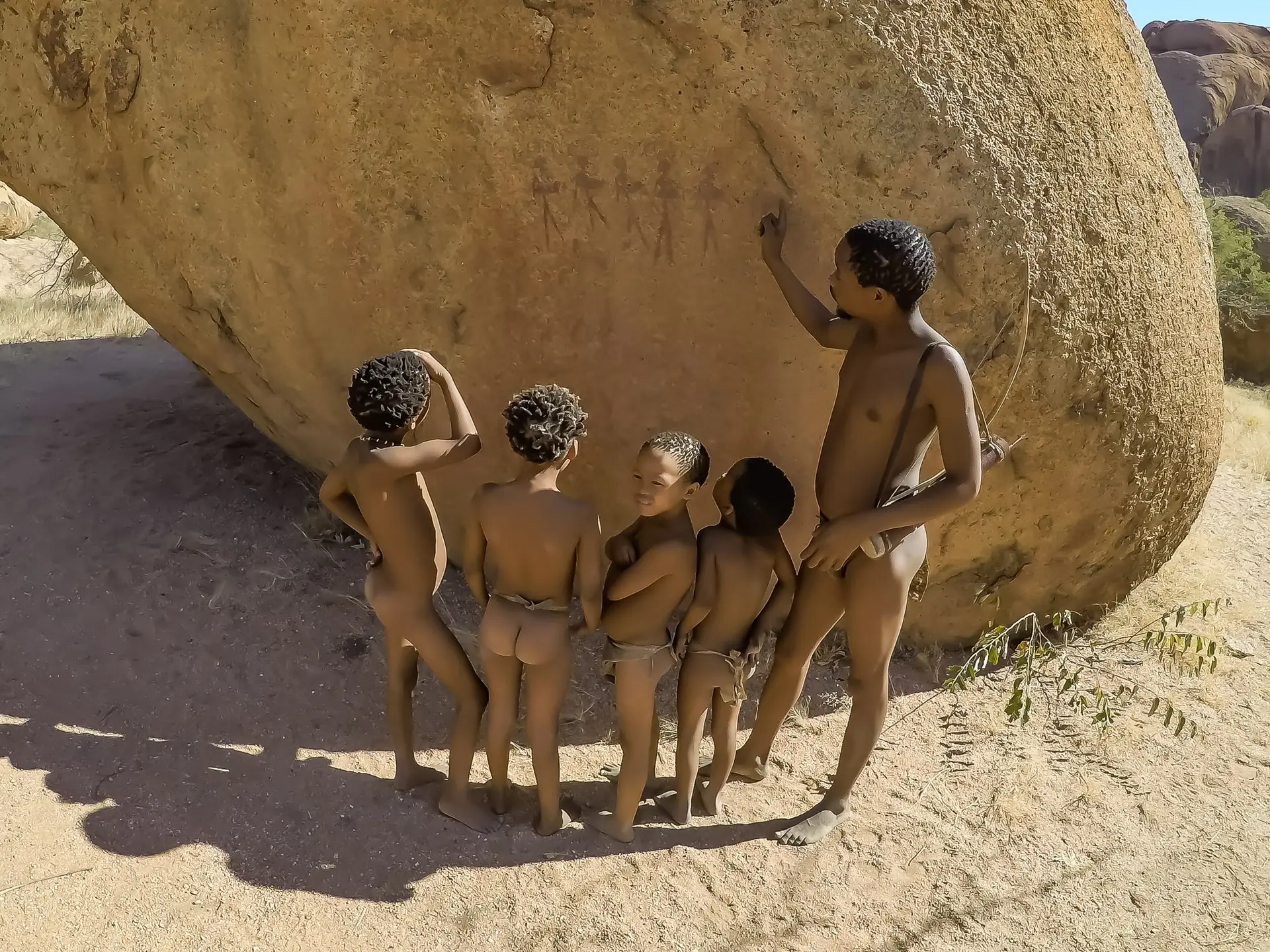
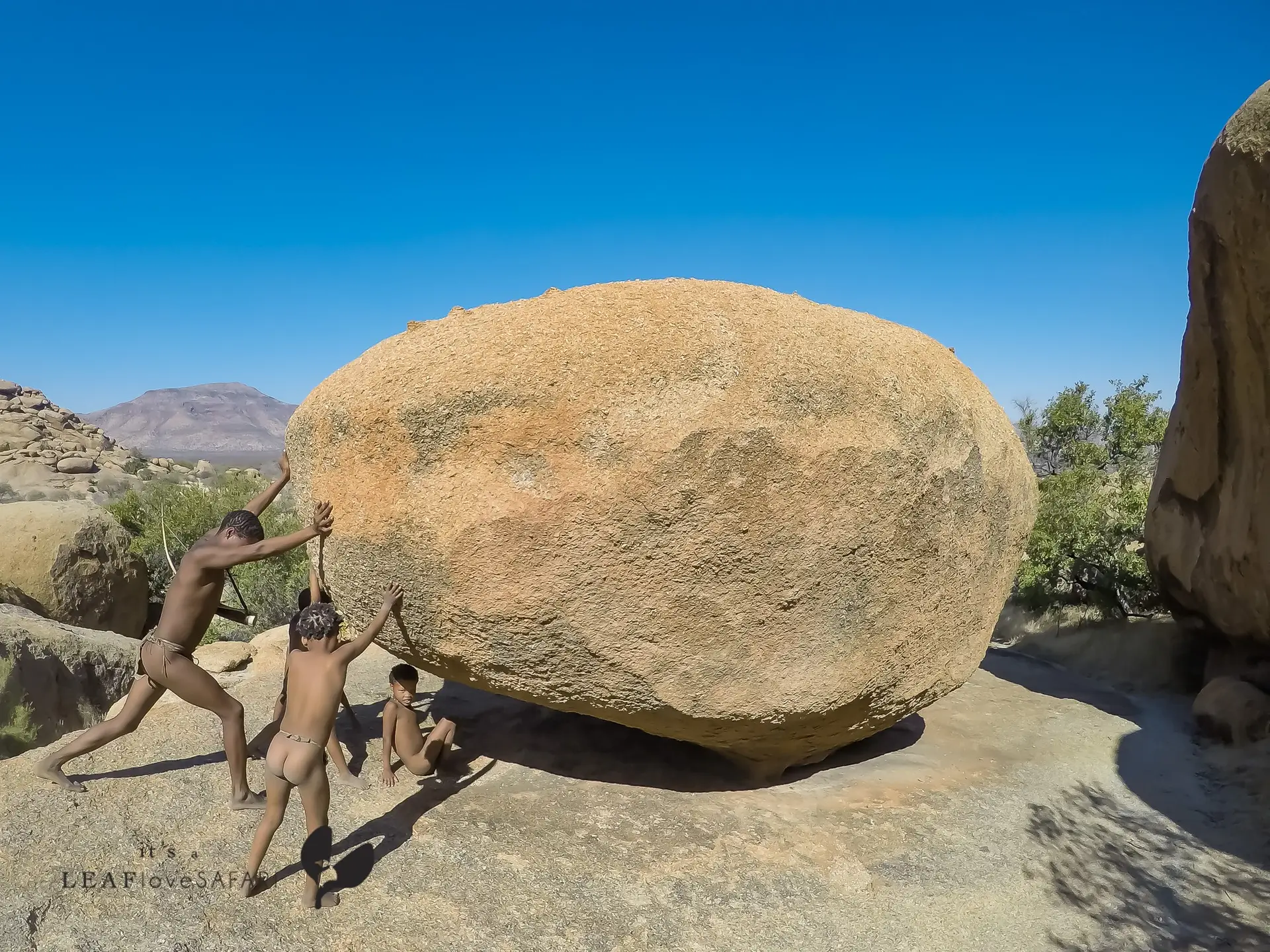
On the smooth granite walls of this majestic formation, ancient Bushmen have left vivid depictions of hunting and wildlife. The landscape resembles something out of a fairytale, offering enchanting photo opportunities at every turn.
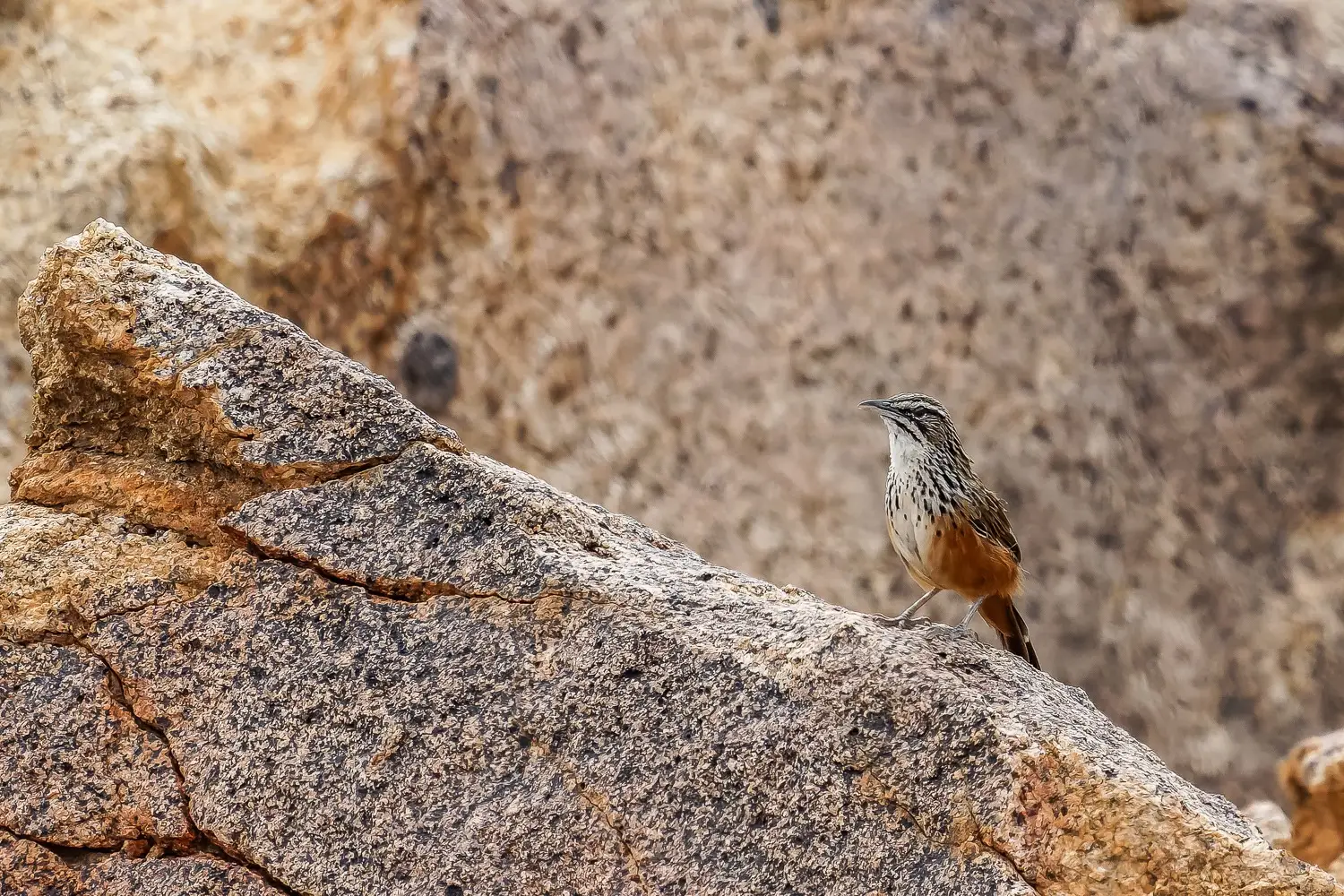
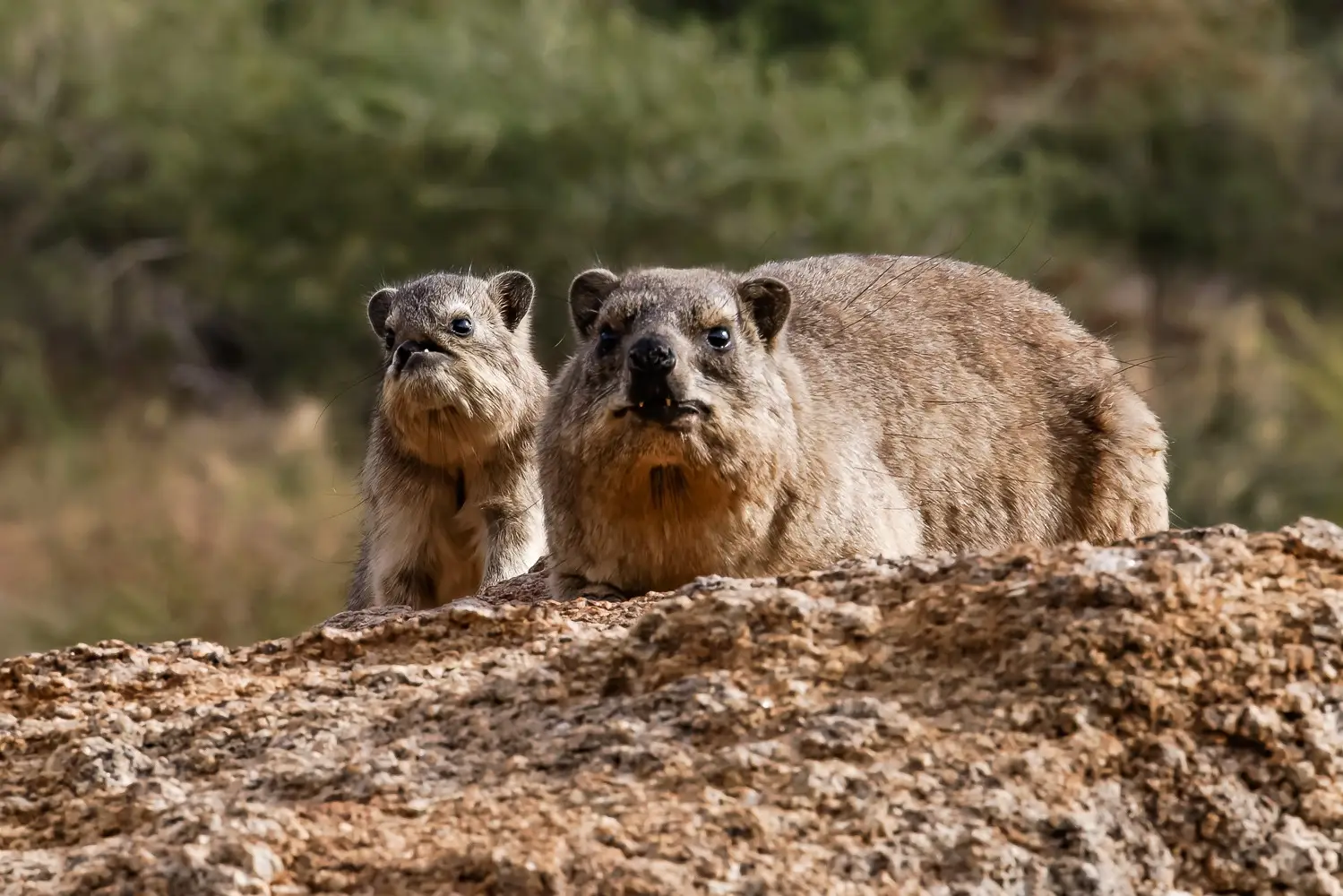
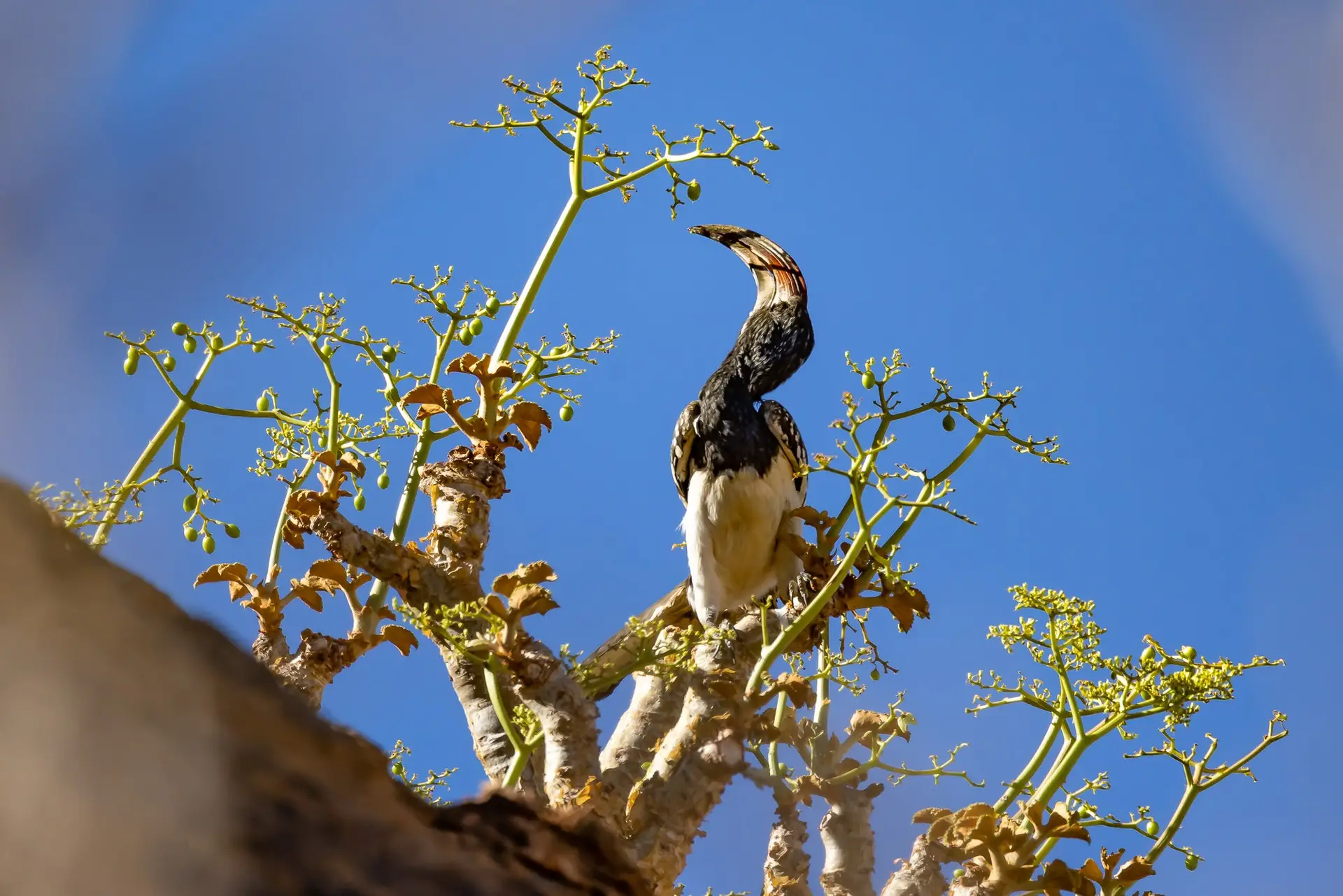
The enormous granite spheres of the Erongo Mountains are equally impressive, and visitors often feel dwarfed by the towering rock formations created by ancient volcanic activity. As you explore, keep an eye out for legendary rock paintings, unique bird species native to the area, and fascinating semi-desert flora, making it a captivating destination for hikers and walkers.
For those seeking a deeper cultural experience, consider the optional Bushman Walk. Here, you’ll meet authentic Bushmen who will enlighten you with a short walk, teaching you essential skills such as setting traps, using herbal remedies, and hunting. You’ll also witness how effortlessly a fire can be kindled and discover the artistry in crafting jewellery from ostrich eggs.


Good weather for departure…
Many night flights to Europe or the Americas are available, allowing our guests to make a choice regarding their last day arrangements. Some prefer to combine the airport transfer with an afternoon check-in, while others seek to explore the city further or eliminate the stress of their final day.
For those who wish to extend their stay, we can arrange additional accommodations within Windhoek or offer stylish lodging options near the airport. Furthermore, some guests opt for extra components, such as a fly-in experience to the Caprivi, the Okavango Delta, or a few days in captivating Cape Town. We aim to provide flexible choices to enhance your travel experience.
As we travel along the east-west connecting route today, we’ll move efficiently to ensure that you have ample time in the capital. Whether you wish to shop for Namibian handicrafts as souvenirs or savor a final delicious game steak paired with Namibian beer, there’s time to enjoy these experiences.
In the afternoon, we’ll provide transportation to either the airport or a recommended accommodation, and we’ll arrange a transfer for you as needed. Safe travels, and until we meet again!
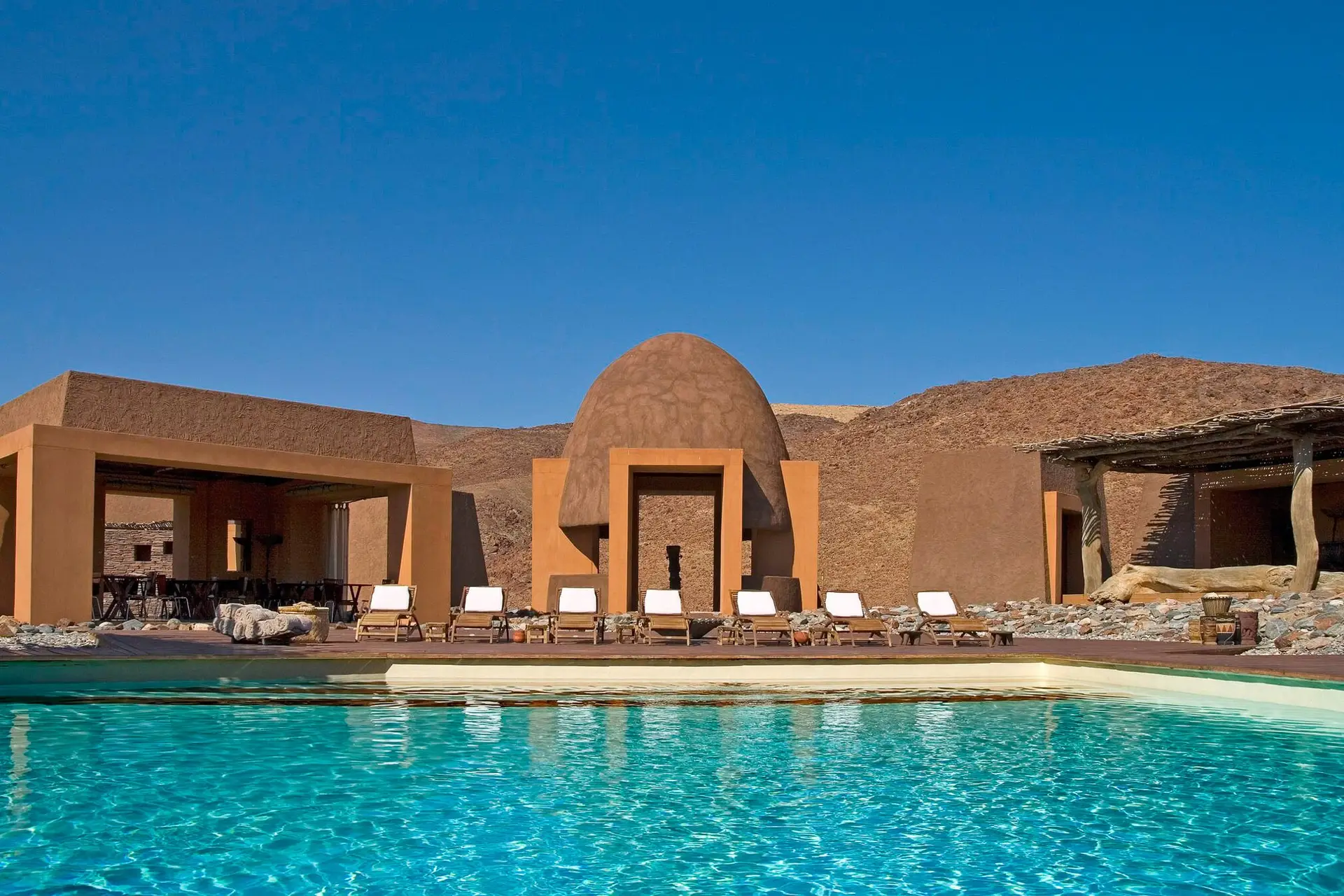
You will be picked up as the four-wheel drive route takes you deep into the real wilderness of the Etendeka volcanic landscape. On the way there, our guests could already observe desert lions and see desert elephants grazing in the red scree between the thousands of Damara spurge bushes. The area is “breathtaking” and the wilderness camp is an accommodation in its own highly individual way. We recommend this alternative for active nature and landscape lovers, as some of the activities are on foot, but without the stress of hiking.
The lodge, more of a high-end camp in the mountainous wilderness, operates very close to nature and has a very nature-friendly “low impact approach”. You feel like a guest in nature here and are travelling in an environmentally friendly way.
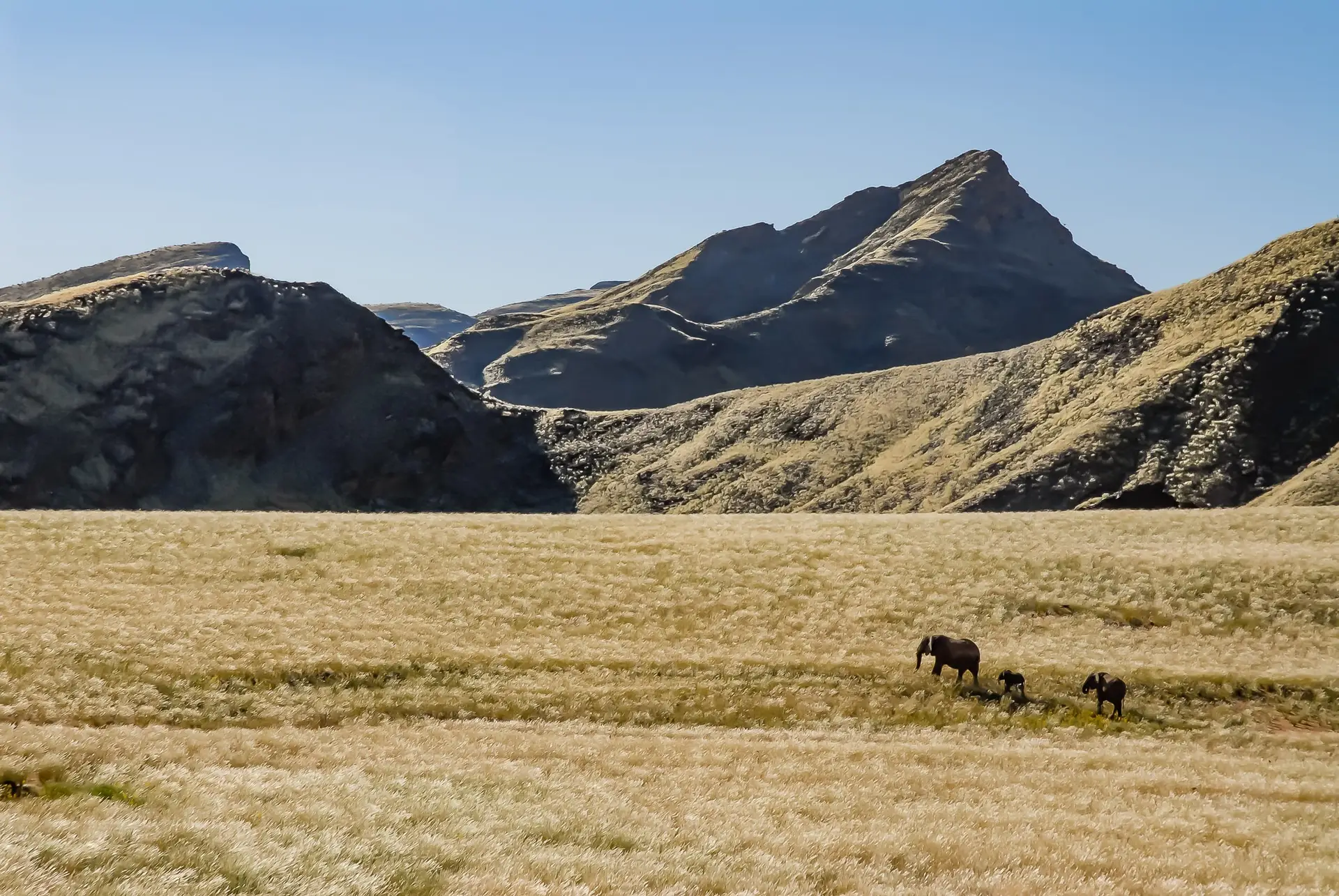
Vast stretches of fine sand dunes weave their way through a rugged terrain, bordered by slate, sandstone, and granite mountains. Valleys, adorned with lush grass, meander through the landscape, while dry rivers are often flanked by dense stands of mopane trees. This captivating medley of landscapes creates a truly breathtaking experience.
Venturing far beyond the typical tourist circuit, the untouched wilderness of Namibia beckons for exploration. We invite you to journey into the Hoanib Valley, where a sandy, arid riverbed is graced by towering Winter-thorn acacias, providing the essential pods that sustain desert-dwelling elephants.
The dry rivers of Kaoko and Damaraland serve as linear oases and the natural habitats of the desert elephant. We’ll embark on extended game drives in search of these magnificent creatures, and if fortune smiles upon us, we may even catch a glimpse of lions. It’s worth noting that this is one of the last semi-desert wilderness areas where elephants, rhinos, and lions still coexist in their natural habitat, making it a truly remarkable and unique destination.

Yes, it still exists, this one abandoned place in the world that is truly beautiful and unique in untouched wilderness… without ever having to meet the neighbour or other any tourists. No one is allowed here! Except, for now, you!…The Skeleton Coast Park offers in its rough desert nature wonderful nature observations in extremely changeable completely untouched rugged, yet stunningly beautiful, wilderness – landscape.
Yes, it still exists, that one abandoned place in the world, a realm of unspoiled beauty and unique untouched wilderness. Here, you won’t encounter neighbours or other tourists—this place is strictly off-limits to everyone, except for you, at least for now.
The Skeleton Coast Park is a haven of raw desert nature, offering incredible opportunities for observing the ever-changing, untamed, and strikingly beautiful wilderness landscape.
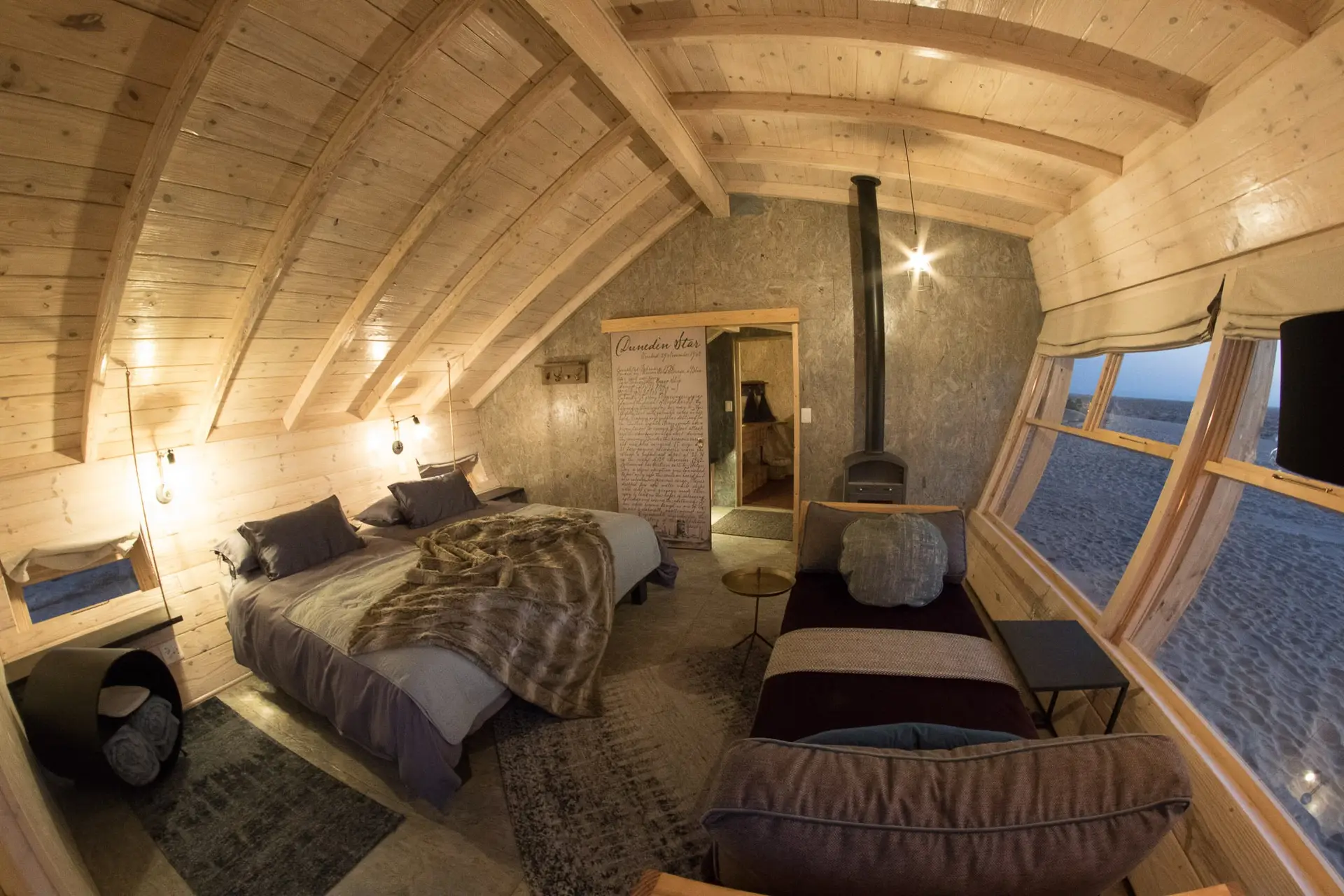

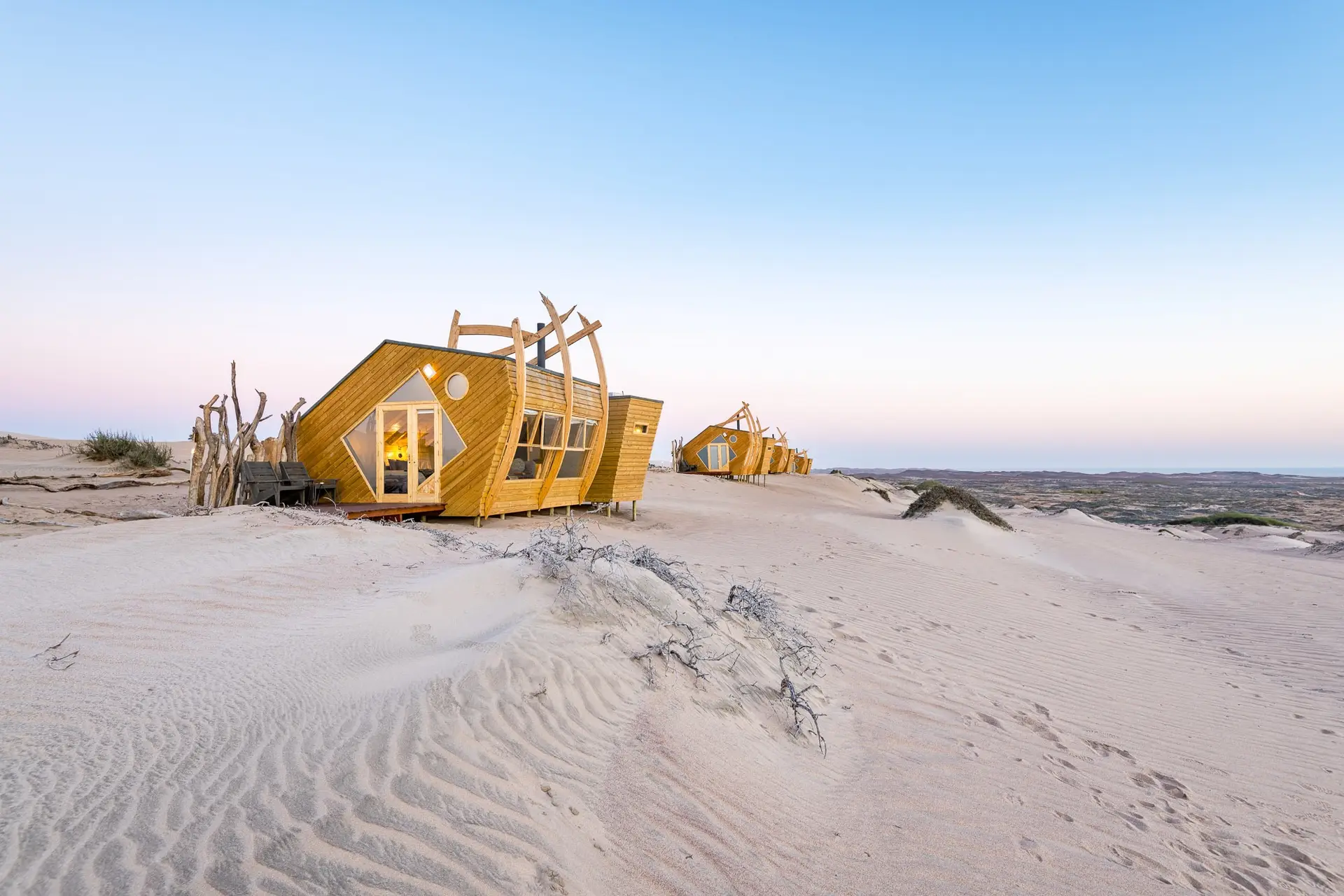
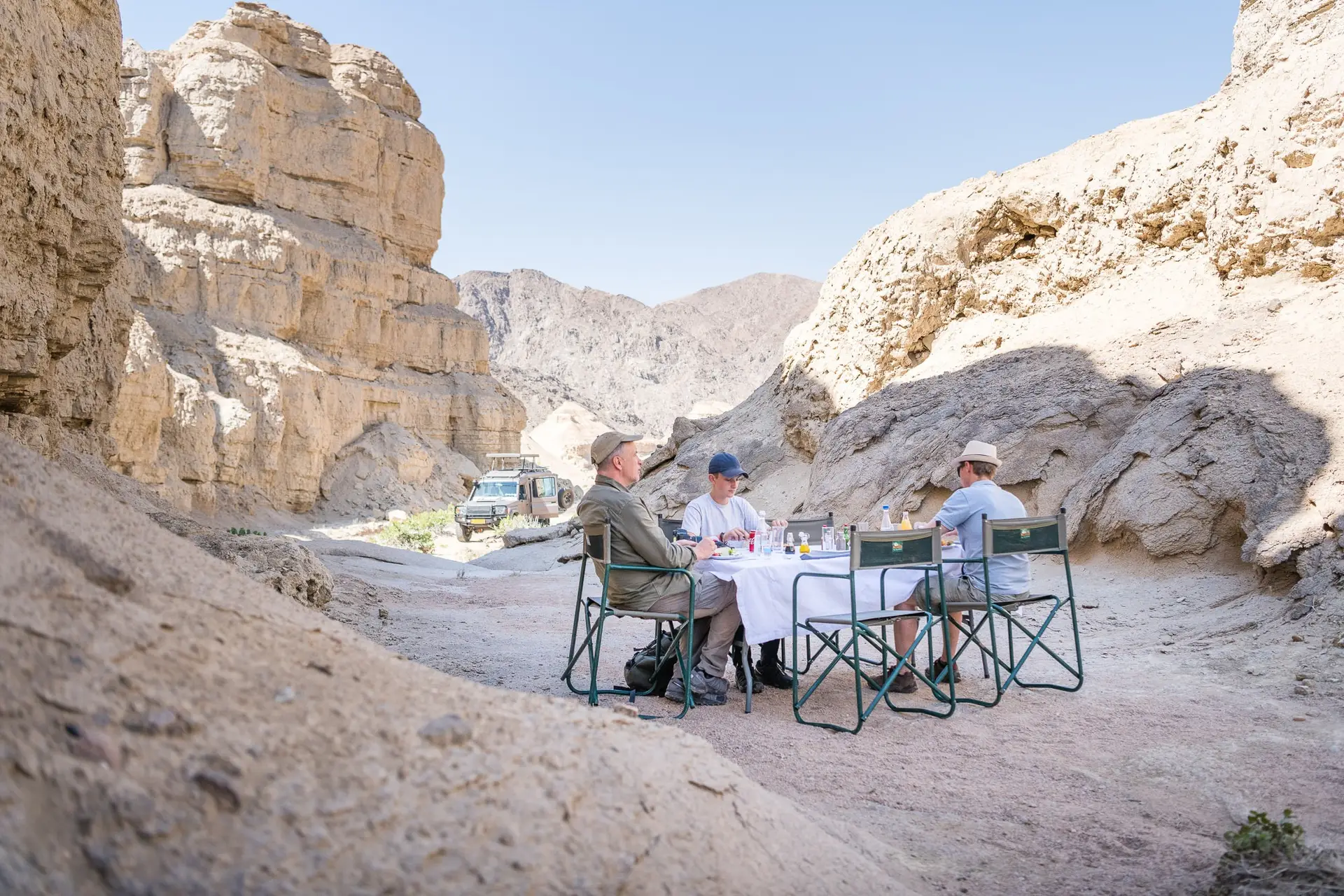

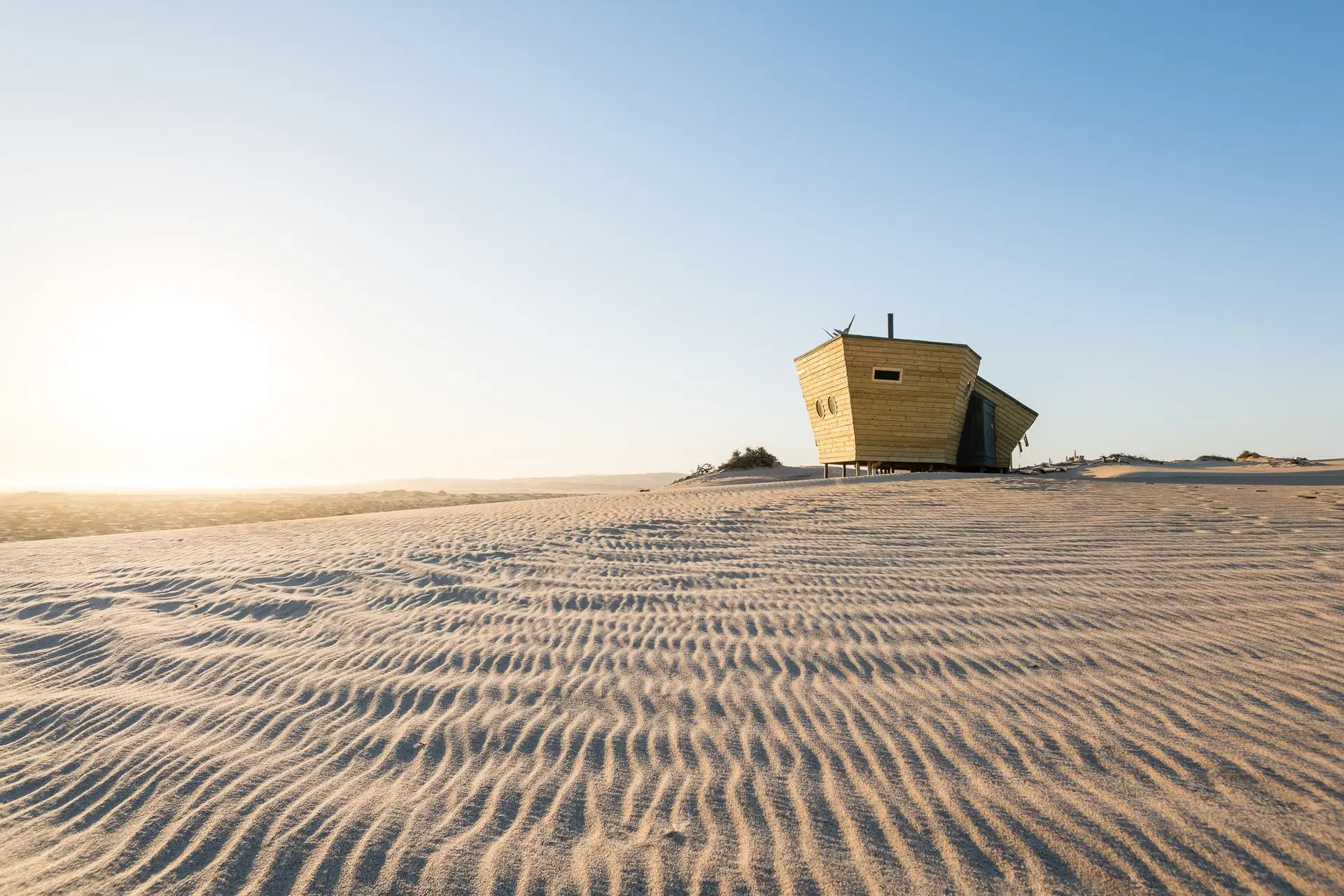
The Hoarusib River, another one of those linear oases, meanders its way through the “deep” Kaokoland. Yet, it remains easily accessible for exploration through guided four-wheel drive tours. This well-planned journey allows you to immerse yourself in both the upper and lower Hoarusib, offering excellent chances to witness the kind of breathtaking moments typically reserved for television.
As we traverse the Hoarusib riverbed, we’re continually captivated by ever-changing landscapes and surprisingly diverse wildlife. This segment of the trip is especially intriguing because it feels untouched by tourists and still uncharted. Later on, we venture into the western Hoarusib, unveiling an entirely new facet of this arid paradise.


| Attendance Rates are per Person | Natural | Classic | Luxury |
|---|---|---|---|
| 1 Person | $17,176 | $19,225 | $21,396 |
| 2 Persons | $10,643 | $12,578 | $14,619 |
| 3 Persons | $8,466 | $10,362 | $12,360 |
| 4 Persons | $7,377 | $9,254 | $11,231 |
| 5 Persons | $6,724 | $8,589 | $10,553 |
| 6 Persons | $6,288 | $8,146 | $10,102 |
| 7 Persons | $5,978 | $7,830 | $9,779 |
| Single room supplement | $1,051 | $1,451 | $1,712 |
The cooler months, may to september, are perfect for this trip, as it doesn’t get so bitterly cold in the northwest, but the summer, i.e. from October to December, is blisteringly hot and dusty.
Start and end point Windhoek is common, but a bit further and it takes longer.
Walvis Bay International is served daily by several airlines and is excellent for this trip, but you have to stop over, which is very inconvenient for many.
Yes, we know our way around and the vehicles are well tested. Although the northwest is very vast, we find good accommodation and need not fear man or beast.
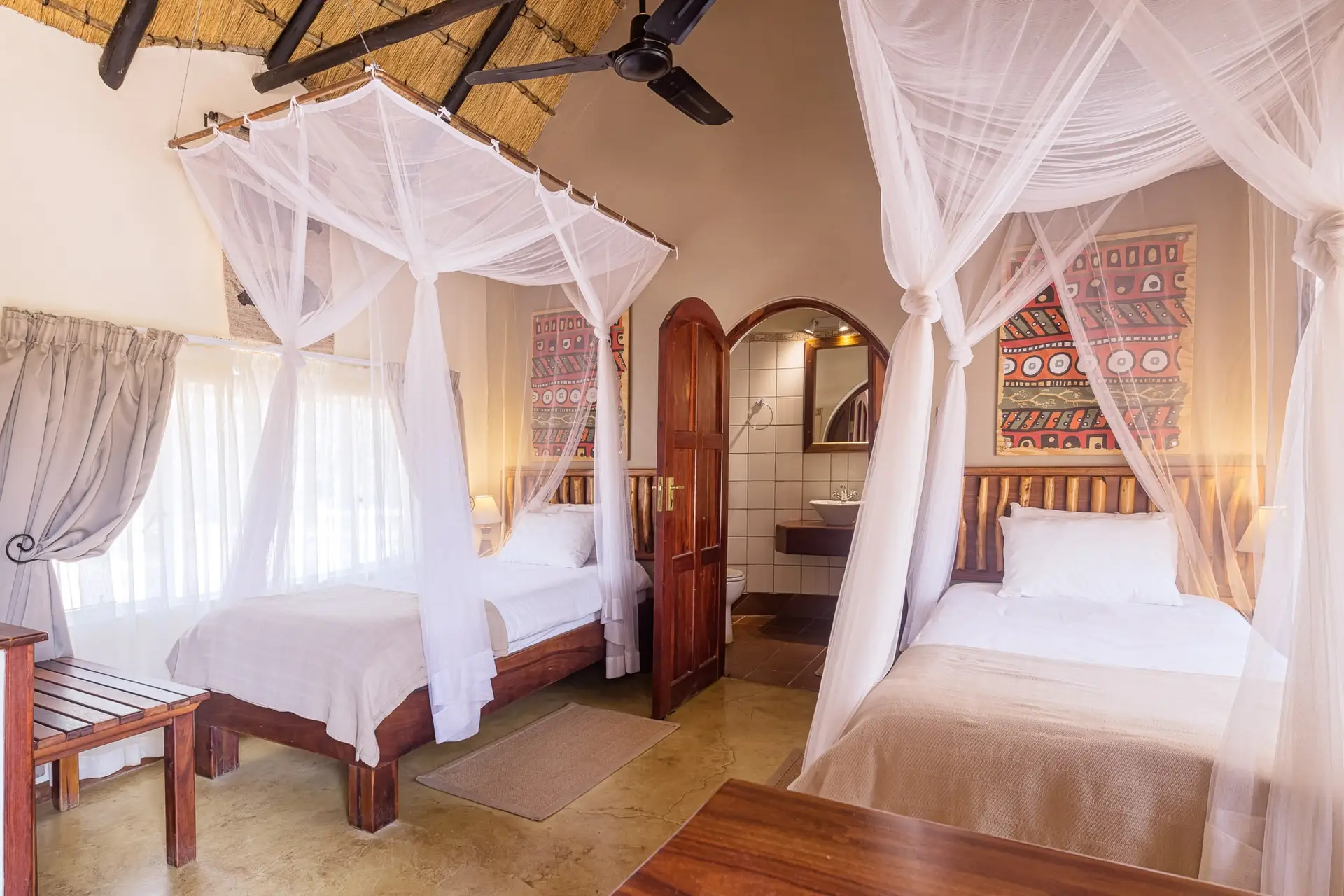
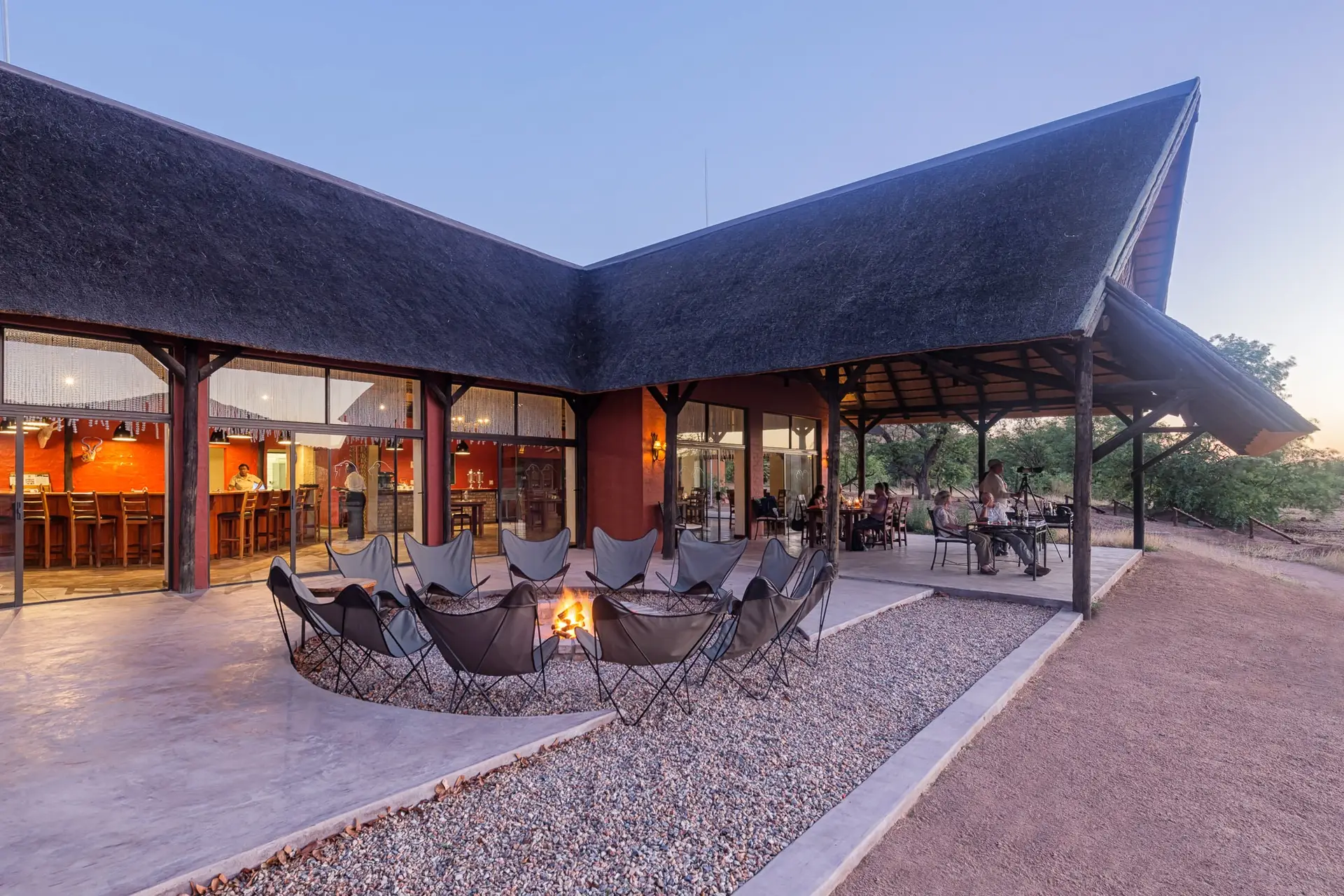
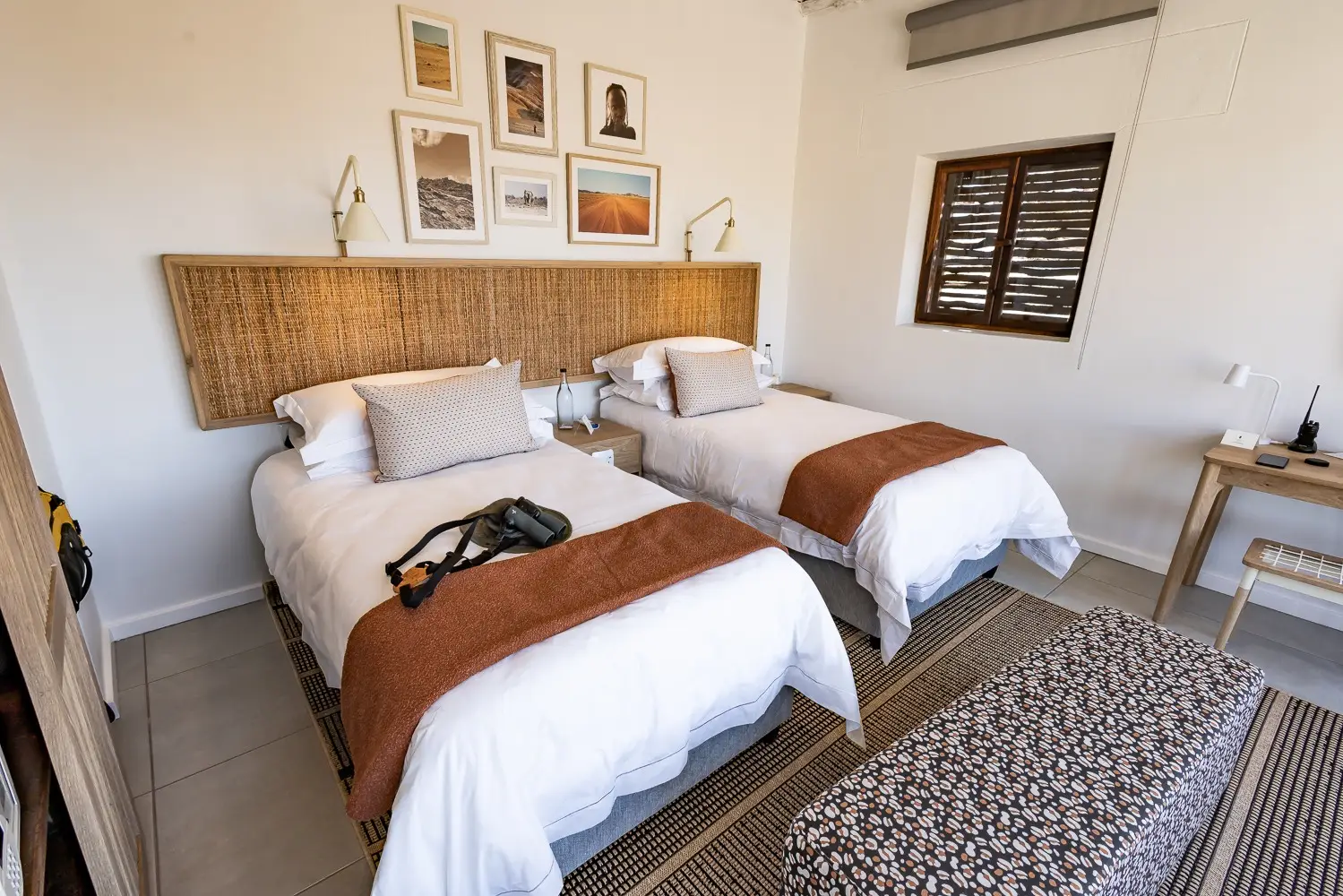
Accommodation preference: Northwestern Namibia offers only a limited selection of accommodation categories. This itinerary includes mainly comfortable mid-range lodges, but also a few extremely high-end and expensive accommodations. These exclusive lodges are located exactly where you want to stay, in the heart of the wilderness and they are often the only ones that provide access to these remote and worthwhile areas. We can certainly adjust the trip to be more budget-friendly by choosing alternative accommodations. However, this would require a high degree of flexibility and tolerance when it comes to comfort and location.
We prefer to let our guests stay at upmarket lodges at various very remote accommodations. The budget lodges are very rustic and not so strategically located.
In a time when flight bookings are just a few clicks away, it may seem old-fashioned to involve a travel agent. But when it comes to navigating the ever-changing world of air travel—delays, reroutes, strikes, cancellations, and the charming surprise of “you no longer have a seat”—working with a real human still has very real advantages when unexpected challenges arise, such as:
Delays and last-minute flight changes
Strikes or changes made by the airline
Seat changes without prior notification
The need to rebook during your trip
Especially in those moments—just imagine being on safari while these changes occur—it is incredibly helpful to have a reliable contact person who handles everything quickly and professionally.
Even if booking flights through a travel agency may seem slightly more expensive, it is absolutely worth the investment. The service, support, and peace of mind it provides, particularly in problematic situations, are priceless.
We’ve had consistently excellent experiences with the following agencies – they are professional, fast, and reliable.
Please make sure to always mention that you are booking through Leaflove Safari / Albert Voigts.
This is the only way we can ensure that all flight times are accurately recorded and that we can coordinate with the agents to perfectly align the itinerary with your travel plans – e.g. for organizing transfers, airport greetings, or handling last-minute changes.
📱 +264 81 249 8760
✉️ ticketing@tokkiestravel.com
➡️ Anja has already assisted many of our guests – reliable, fast, and solution-oriented.
📱 +264 81 202 6002
✉️ sonja@moloafricatravel.com.na
➡️ Sonja is also highly experienced and particularly helpful when it comes to last-minute rebookings.
This Safari was last updated on 7. October 2026 @ 6:50.

Kaoko-Damara, a guided Safari in Namibia, exploring the untamed beauty of Kaokoland and Damaraland, venturing into the Erongo region, and discovering game-rich protected areas.

16 days – A condensed version packed with experiences of a classic yet high-quality Namibia tour, staying in fantastically located upscale accommodations that operate sustainably.

Sweet & South, a guided Safari, adaptable to your preferences in the southern regions of Namibia.
Please fill in your email to receive the full itinerary including accommodations.